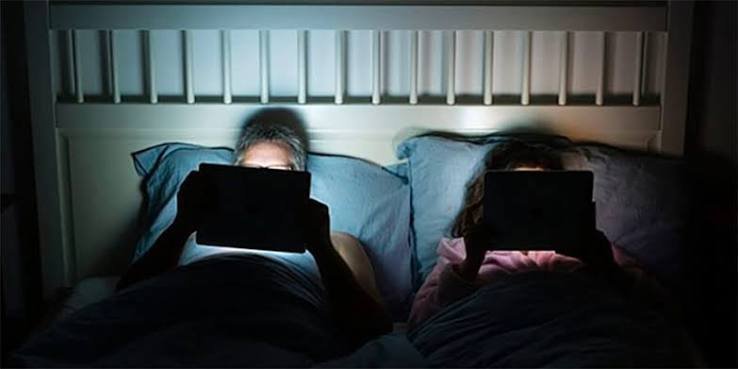
You wake up, check WhatsApp, get ready, travel to work and spend most of the day indoors. By the time you properly step outside, it may already be evening. This routine is common in Indian cities, especially for office workers—and it can mean missing one of the body’s strongest natural time signals: morning daylight.
For most people, a practical goal is to get outdoor daylight soon after waking, ideally within the first hour or two of the morning. Morning light helps signal to the brain that the biological day has started, supporting the circadian rhythm that influences alertness during the day and sleepiness at night. Research consistently shows that light timing matters: brighter morning light tends to shift sleep timing earlier, while substantial evening light can push the body clock later.
You do not need to stare at the sun, and more UV exposure is not automatically healthier. The benefit for your body clock comes from light reaching your eyes naturally while you are outdoors, with sensible sun protection when UV levels require it.

Morning Sunlight Timing: Quick Overview
| Situation | Practical Approach |
|---|---|
| Best general timing | Soon after waking |
| Useful target | Within the first 1–2 hours |
| Sunny morning | A short outdoor period may be enough for useful bright-light exposure |
| Cloudy morning | Spend somewhat longer outdoors |
| Through a window | Better than darkness, but outdoor daylight is generally much brighter |
| For earlier sleep timing | Prioritise early-morning light |
| Evening light | Keep relatively lower near bedtime |
| Need to look at the sun? | No |
| Exercise option | Combine daylight with a morning walk |
| Very strong UV/heat | Use appropriate sun protection and avoid unnecessary exposure |
| Shift workers | Timing needs individual adjustment |
Why Is Morning Light So Important?
Your body runs on an internal approximately 24-hour timing system called the circadian rhythm.
Light is one of its strongest environmental signals. Information from light reaching the eyes is communicated to the brain’s central biological clock, helping synchronise sleep and wakefulness with the outside day.
A systematic review found that brighter morning light was associated with earlier sleep timing and improvements in subjective sleep, whereas brighter evening light was associated with later timing and poorer subjective sleep outcomes.
This explains why your morning environment matters.
If you wake at 7 AM but remain in a dim bedroom and office until lunchtime, your body receives a weaker daytime signal than it would from spending some time outdoors.
How Soon After Waking Should You Get Sunlight?
A practical target is as soon as conveniently possible after waking, preferably within the first hour or two.
There is no scientifically established rule saying everyone must receive sunlight within exactly 30 minutes of opening their eyes. The ideal timing depends on your individual circadian phase, sleep schedule and goals.
However, research on circadian timing supports the general principle that morning light can advance the body clock, while evening light tends to delay it.
So if you normally wake at 6:30 AM, going outside sometime around 6:45–7:30 AM can be a sensible routine.
If you wake at 8 AM, you do not need to set an alarm for sunrise simply to get light at 6 AM. In everyday circumstances, linking daylight exposure to your regular waking time is much easier to maintain.
How Long Should You Stay in Morning Sunlight?
There is no universal number of minutes that works for every person.
The biological effect of light depends on several variables: brightness, timing, duration, wavelength, previous light exposure and individual sensitivity.
Outdoor daylight can also vary enormously between a bright summer morning and a dark, heavily overcast winter morning.
As a practical routine, you might spend 10–30 minutes outdoors in the morning, extending the period when conditions are particularly dim. This should be considered a convenient lifestyle target rather than a medically established dose.
You can easily combine it with something useful—walk the dog, drink your morning tea on a balcony or terrace, walk to the Metro, buy vegetables, or take a short stroll before starting work.
Consistency matters more than obsessing over an exact minute count.
Does Morning Sunlight Help You Sleep Better at Night?
It can support healthier sleep timing.
Morning light tells your circadian system that daytime has begun. In contrast, excessive bright light late in the evening can shift biological timing later.
Current sleep guidance therefore emphasises brighter days and darker evenings. A recent public-health review of light science similarly supports a pattern of bright light during the morning and daytime, lower light during the evening and darkness or near-darkness during sleep.
This means improving sleep is not simply about getting morning sunshine.
Think of the entire day:
Bright morning → plenty of daytime light → dimmer evening → dark bedroom.
If you get morning daylight but spend midnight under powerful room lights and bright screens, you are giving your biological clock conflicting signals.
Is Sunlight Through a Window Enough?
Opening your curtains after waking is certainly better than remaining in a dark room.
However, actually going outdoors is generally more effective for obtaining bright natural daylight because indoor environments are usually much dimmer than outdoor daylight.
Research commonly distinguishes bright light above 1,000 lux from typical moderate indoor lighting, and brighter light has shown stronger associations with several sleep outcomes.
If you cannot go outside immediately, open the curtains and make your room bright. Then try to get outdoors later in the morning.
For office workers, even walking outside for breakfast or part of the commute can add useful daylight exposure.
Should You Look Directly at the Sun?
No.
You do not need to stare at the sun to obtain circadian benefits from daylight.
Simply being outside with your eyes open normally allows environmental light to reach your eyes. Look around naturally while walking, sitting or doing ordinary activities.
Directly staring at the sun can injure the retina and should not be used as a health technique.
You also do not need to remove prescription glasses if you require them for normal vision.
Morning Sunlight and Vitamin D Are Different Issues
It is useful to separate two ideas that are often mixed together.
Circadian light exposure works through the eyes. Vitamin D production involves ultraviolet B radiation reaching the skin.
Therefore, advice about getting morning daylight for sleep and body-clock regulation is not the same as advice about obtaining sufficient vitamin D.
The amount of UV required for vitamin D production varies with skin pigmentation, season, latitude, clothing and other factors. Spending longer in intense sunshine also increases skin and eye damage.
Do not deliberately seek excessive UV exposure because you have heard that more sunshine automatically means better health.
What About India’s Strong Sun and Summer Heat?
This is particularly relevant for Indian readers.
During very hot months, early morning is often a convenient time for outdoor activity because temperatures can be considerably more comfortable than at midday.
You can combine daylight, walking and physical activity in one routine.
But remember that UV intensity and heat vary by location, season and time of day. For longer outdoor periods, use sensible sun protection according to current conditions—shade, suitable clothing, sunglasses and sunscreen where appropriate.
Morning daylight does not need to become a sunbathing session.
What If the Morning Is Cloudy?
Go outside anyway.
Clouds reduce brightness, but outdoor daylight can still provide a strong environmental light signal compared with typical indoor lighting.
On a dark or rainy morning, consider spending longer outside or near bright natural daylight rather than abandoning the routine altogether.
Regularity is valuable. Your biological clock benefits from a predictable pattern of light during the day and darkness at night. Current sleep guidance continues to recommend morning light as part of healthy light habits.
A Simple Morning Light Routine
If you wake at 7 AM, open the curtains immediately and get out of bed rather than remaining in a dark bedroom scrolling on your phone.
Wash up, drink some water if you want it, then spend around 10–30 minutes outdoors—perhaps walking, having tea outside or completing a short errand.
During the rest of the day, continue getting normal daylight where possible.
As evening approaches, gradually reduce unnecessary bright light and keep your bedroom dark during sleep.
This routine costs nothing, requires no special lamp and can fit naturally into an Indian workday.
FAQs
Q1. What is the best time to get morning sunlight?
A. For general circadian health, aim to get outdoor daylight soon after waking, ideally within the first one or two hours. There is no requirement to catch sunlight at one exact clock time.
Q2. Is 10 minutes of morning sunlight enough?
A. It may provide useful bright-light exposure on a clear morning, but there is no universal 10-minute prescription. Brightness, cloud cover, season and individual circumstances matter. Around 10–30 minutes outdoors is a practical lifestyle target rather than a fixed medical dose.
Q3. Can I get the same benefit by sitting beside a sunny window?
A. Bright indoor daylight can help, but outdoor daylight is generally much brighter. When practical, spending some time actually outdoors provides a stronger natural daytime light environment.
Q4. Does morning sunlight increase vitamin D?
A. Sunlight can support vitamin D production when sufficient UVB reaches exposed skin, but this is different from the circadian benefits of morning light, which are mediated through the eyes. Do not extend unprotected sun exposure simply to improve sleep or your body clock.