You get into bed at 11 PM with every intention of sleeping, but decide to check Instagram for “just five minutes.” One reel becomes ten, a WhatsApp message arrives, you check tomorrow’s emails, and suddenly it is midnight. For many Indian students, professionals and families, the biggest problem with screens at night is not simply the light from the phone—it is that screens can keep the brain engaged and quietly push bedtime later.
A practical target is to stop using phones, tablets, laptops and other stimulating screens around 30–60 minutes before bedtime. The American Academy of Sleep Medicine recommends powering down electronics at least 30–60 minutes before bed. Research also suggests that screen use close to bedtime is associated with later bedtimes and poorer sleep, although the effects vary between individuals and are not explained by blue light alone.
For someone aiming to sleep at 11 PM, therefore, a sensible screen cut-off would be around 10:00–10:30 PM.
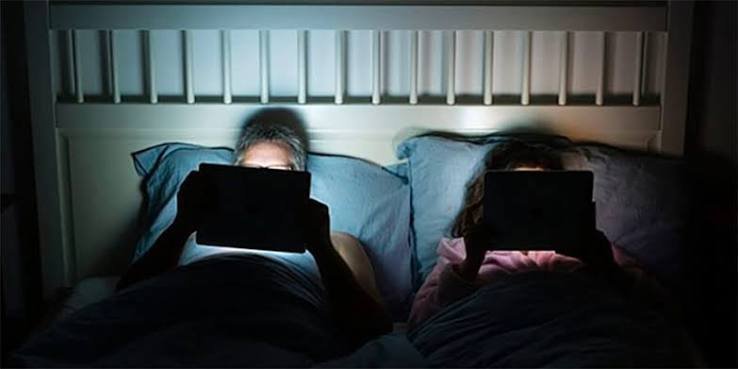
Screen-Free Time Before Bed: Quick Overview
| Situation | Practical Screen Cut-Off |
|---|---|
| Healthy adult | 30–60 minutes before bed |
| Difficulty falling asleep | Try 60 minutes or longer |
| Children and teenagers | Aim for at least 1 hour |
| Watching relaxing TV | Less stimulating than interactive scrolling for some people, but still best limited |
| Social media/reels | Stop 30–60+ minutes before bed |
| Gaming | Ideally stop around 1 hour before bed |
| Work emails | Avoid during the wind-down period |
| Doomscrolling/news | Particularly worth avoiding before bed |
| Phone used as alarm | Put it out of reach and silence notifications |
| Best replacement | Reading, stretching, journaling or a warm shower |
Is 30 Minutes Without Screens Before Bed Enough?
For many adults, 30 minutes is a realistic minimum target.
Current American Academy of Sleep Medicine advice recommends shutting down electronics 30–60 minutes before bedtime. The organisation also recommends keeping phones away from the bed and silencing notifications.
If you currently scroll until the moment you fall asleep, moving immediately to a two-hour digital curfew may be difficult to maintain.
Start with 30 minutes.
If you normally sleep at 11:30 PM, put the phone away at 11 PM. Spend those final 30 minutes doing something quiet.
After a week, see how you feel. If falling asleep remains difficult, extend the screen-free period to an hour.
Is One Hour Before Bed Better?
For people who struggle to switch off mentally, one hour is an excellent target.
It creates a clear transition between daytime activity and sleep.
For example:
- 10 PM: Stop work and social media
- 10:05 PM: Prepare clothes or bag for tomorrow
- 10:15 PM: Shower and brush teeth
- 10:30 PM: Read a physical book
- 11 PM: Lights out
This routine also addresses an important problem that has nothing to do with screen brightness: time displacement.
A large adult study involving more than 120,000 participants found that daily screen use during the hour before bed was associated with later bedtimes, slightly shorter sleep and a higher prevalence of poor sleep quality.
Sometimes your phone is not preventing sleep biologically—you are simply still awake because you are using it.
Why Can Screens Interfere With Sleep?
There are several possible mechanisms, and focusing only on “blue light” oversimplifies the issue.
First, light in the evening can influence the circadian system and melatonin signalling.
Second, screens can be mentally stimulating. A tense work email, exciting cricket highlights, online argument or suspenseful web series is not necessarily preparing your mind for sleep.
Third, phones are designed to keep your attention. Short videos, notifications and endlessly refreshing feeds make “five more minutes” surprisingly difficult.
An updated meta-analysis involving more than 41,000 participants found an overall association between electronic media use and poorer sleep outcomes.
However, the science is nuanced. A National Sleep Foundation expert consensus found that evidence specifically blaming pre-bed screen light in adults remains inconsistent.
So the practical message is broader than simply avoiding blue light: reduce bright light, stimulation and bedtime procrastination together.
Are Phones Worse Than Television Before Bed?
They can be, depending on how you use them.
A television is generally farther from your eyes and may involve relatively passive viewing. A smartphone is held close to the face and encourages active interaction—scrolling, messaging, shopping, gaming and responding to notifications.
The content also matters.
Watching a calm programme from across the room is very different from lying in darkness while rapidly scrolling upsetting news ten centimetres from your face.
In a 2025 AASM survey, 38% of adults reported that viewing news and current events on phones or tablets before bed made their sleep somewhat or significantly worse.
If eliminating all screens feels unrealistic, make the smartphone your first priority.
Does Night Mode Make It Okay to Use Your Phone?
Night mode can reduce the amount of short-wavelength blue light emitted by the display, but it does not solve every problem.
Your phone is still producing light. More importantly, night mode cannot prevent an Instagram reel from becoming 45 minutes of scrolling.
Blue-light-blocking glasses should not be treated as a complete solution either. A recent systematic review and meta-analysis of randomized crossover trials found no statistically significant improvement in objective measures including sleep onset, total sleep time or sleep efficiency, although the available evidence was limited.
Use night mode as an additional measure—not permission to scroll until 1 AM.
What Should You Do Instead of Using Your Phone?
The easiest screen-free routine is one that does not feel like punishment.
Read a physical book, prepare your clothes for the next morning, do gentle stretching, take a warm shower, listen to relaxing audio with the screen switched off, write tomorrow’s priorities on paper or simply talk with your family.
The American Academy of Sleep Medicine specifically suggests alternatives such as reading, journaling and taking a warm shower as part of a healthier bedtime routine.
Keep bedroom lighting relatively dim during this period.
The aim is to make the final part of your evening boring enough to become relaxing—but pleasant enough that you actually maintain the routine.
Should You Keep Your Phone Outside the Bedroom?
If possible, this can be extremely effective.
Many people successfully stop scrolling at 10:30 PM and then undo the effort when a notification lights up beside their pillow at 11:15 PM.
Charging your phone across the room or outside the bedroom creates useful physical distance.
If you need your phone as an alarm, place it far enough away that you cannot comfortably reach it from bed. Turn on Do Not Disturb and disable unnecessary notifications.
Better still, use an inexpensive alarm clock and keep the phone elsewhere. AASM specifically recommends placing phones in another room when possible.
What If You Must Work on a Screen at Night?
Sometimes avoiding screens for a full hour simply is not realistic—particularly for IT professionals, students preparing for exams, remote workers or people working late shifts.
In that situation, focus on reducing the impact.
Finish highly stimulating work as early as possible. Reduce unnecessary screen brightness, use warmer display settings in the evening and avoid switching from work directly to social-media scrolling.
Even if you finish laptop work at 10:40 PM and plan to sleep at 11 PM, use those final 20 minutes as a genuine wind-down period rather than deciding the ideal one-hour window has already been “ruined.”
Consistency matters more than perfection.
How to Create a Screen Cut-Off That Actually Works
Choose your intended bedtime first.
If it is 11 PM, set a recurring 10 PM wind-down reminder. At that point, finish messages, plug in your phone away from the bed and switch to offline activities.
Keep approximately the same sleep and waking schedule even on weekends where practical.
If 60 minutes feels impossible, begin with 20–30 minutes and gradually extend it.
Most importantly, do not replace your smartphone with a laptop and call the routine screen-free.
The goal is to give your eyes, attention and mind a genuine transition from a busy digital day to sleep.
FAQs
Q1. Is 30 minutes without a phone before bed enough?
A. Yes, 30 minutes is a useful starting point, and current AASM advice recommends turning off electronics approximately 30–60 minutes before bedtime. People with persistent difficulty falling asleep may benefit from trying a longer wind-down period.
Q2. Should I avoid all screens for two hours before bed?
A. Not necessarily. There is no universal requirement for a two-hour screen ban. For most adults, starting with 30–60 minutes is practical. Your sleep response and the type of screen activity also matter.
Q3. Is watching TV before bed as bad as scrolling on a phone?
A. Not necessarily. Distance, brightness, content and how engaging the activity is all matter. Interactive phone use can also delay bedtime because messaging, social media and short-form videos encourage continued engagement.
Q4. What if I use my phone to fall asleep?
A. Try replacing visual screen use with audio. Start a quiet podcast, audiobook or relaxing sound, set a sleep timer and switch the screen off. This allows you to keep the comforting bedtime habit without continuing to look at a bright, interactive display.