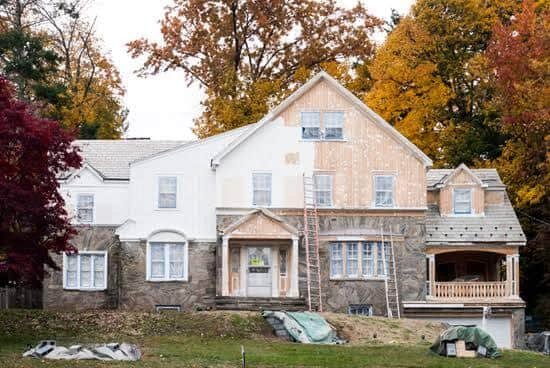
You finish the first coat on your exterior wall in the morning, and by lunchtime it already feels dry. The natural temptation is to start the second coat immediately and finish the job before evening. But exterior paint that feels dry to your fingers is not necessarily ready to be recoated. Applying another layer too early can lead to uneven colour, poor film formation, peeling or a finish that does not last as expected.
For most modern water-based exterior emulsions, around 4–6 hours between coats is a common practical range under suitable conditions. Many exterior paints sold in India specify roughly four hours, while others recommend 4–6 hours. Oil-based coatings can require much longer—often around 24 hours. Weather also matters: high humidity, cool temperatures and poor drying conditions can extend recoat time.
The safest rule is simple: check the recoat time printed on your exact paint product and adjust for weather conditions.
Exterior Paint Recoat Time: Quick Overview
| Situation | Typical Waiting Time |
|---|---|
| Water-based exterior emulsion | Around 4–6 hours |
| Some acrylic/latex exterior paints | About 4 hours |
| Oil-based paint | Often around 24 hours |
| Exterior primer before topcoat | Commonly 4–5 hours |
| Hot, dry conditions | May dry faster, but avoid extreme heat |
| High humidity | Allow additional drying time |
| Cool weather | Drying may take considerably longer |
| Rain or dew expected | Postpone painting |
| Surface feels dry | Does not automatically mean ready to recoat |
| New masonry | Usually needs curing before painting |
| Best approach | Follow product-specific recoat instructions |
Is Four Hours Long Enough Between Exterior Paint Coats?
For many modern exterior emulsions, yes.
For example, Asian Paints lists approximately 4–6 hours between coats for several exterior emulsion systems, with timings based on around 25°C and 50% relative humidity. Some products specify about four hours. Other manufacturers also list four-hour recoat times for certain exterior acrylic paints.
That makes a two-coat job possible within one suitable day.
For example, you might apply the first coat at 8 AM and the second around 1 or 2 PM—provided the manufacturer’s required recoat period has passed and weather conditions remain suitable.
However, do not assume every exterior paint follows this timetable. Always check the container or technical instructions before planning your day.
Dry-to-Touch and Recoat Time Are Different
This distinction is extremely important.
Dry-to-touch time tells you when the paint surface no longer feels wet or sticky.
Recoat time tells you when the manufacturer considers the paint ready to receive another coat.
Cure time is much longer and refers to the period required for the coating to develop its final properties.
An exterior emulsion might feel dry within 30–60 minutes but require four hours before another coat can be applied.
So the finger test is not enough.
If the tin says “recoat after 4–6 hours,” wait for that period even when the wall looks perfectly dry after one hour.
What Happens If You Apply the Second Coat Too Soon?
A second coat adds fresh moisture or solvents onto a film that is still developing.
If the first layer has not reached its proper recoat stage, the new application can interfere with drying and film formation.
Depending on the paint, you may experience problems such as uneven appearance, streaking, lifting, poor adhesion or extended drying.
The finish may also look patchy because the underlying coat was not uniformly ready.
Exterior paint has an important protective job. It must withstand sunlight, rain, humidity, temperature changes and dirt.
Saving two hours during application makes little sense if it reduces the quality of a coating expected to protect your house for years.
Does Indian Summer Heat Reduce the Waiting Time?
Not necessarily.
Warm conditions can accelerate drying, but extreme heat creates its own problems.
An exterior wall exposed to strong afternoon sunlight can become much hotter than the surrounding air. Paint applied to an excessively hot surface may dry too rapidly, making it difficult to maintain a proper wet edge and potentially producing visible application marks.
For this reason, avoid assuming that a 40°C afternoon means you can halve the manufacturer’s recoat time.
Plan exterior painting so that you are not chasing direct harsh sunlight around the building.
In very hot Indian summers, painters may work on walls during cooler periods of the day while avoiding surfaces heated intensely by direct afternoon sun.
Does Humidity Increase Recoat Time?
Yes, particularly with water-based coatings.
High humidity reduces the rate at which water can evaporate from the paint film. As a result, a coating that normally reaches its recoat stage in four hours may take longer.
This is particularly important in coastal cities and during the Indian monsoon.
Paint manufacturers themselves note that published recoat periods are usually measured under specific temperature and relative-humidity conditions.
If your paint specifies four hours at 25°C and 50% relative humidity, you should not expect exactly the same behaviour on a humid rainy day.
When conditions are doubtful, allow extra time rather than rushing the second coat.
Can You Apply the Second Coat the Next Day?
Yes, in many normal exterior-painting situations.
If your paint requires a minimum of four hours between coats, there is generally no requirement to apply the second coat exactly four hours later.
Waiting overnight can actually make scheduling easier, particularly when the first coat is completed late in the afternoon.
However, check the manufacturer’s instructions for any maximum recoat window or special preparation requirements, particularly with specialised coatings.
Also inspect the wall before continuing the next morning.
Dust, insects, overnight moisture or dew may have settled on the surface. Never paint over a visibly damp exterior simply because the previous coat was applied yesterday.
How Long Should Primer Dry Before Exterior Paint?
Primer has its own recoat time.
For example, some exterior wall primers used in India specify approximately 4–5 hours before subsequent coating.
Do not treat primer as an instantly paintable layer.
The surface must be properly prepared before priming, and the primer must reach its required drying or recoat stage before the topcoat goes on.
Exterior primer is particularly important on new masonry, porous surfaces and certain previously painted walls.
If the system you have selected specifies primer as mandatory, skipping it to save time can affect the performance of the entire coating system.
What If It Rains Between Paint Coats?
Stop and allow the wall to dry properly.
Do not apply the second coat simply because the first coat had technically completed its four-hour recoat period before the rain arrived.
Rain can leave moisture on or within porous exterior surfaces. Applying paint over damp masonry can create serious coating problems.
After rainfall, wait until the substrate meets the paint manufacturer’s moisture and weather requirements.
Also plan ahead. Check the forecast before beginning exterior painting so freshly applied paint has enough time to develop resistance before rain or heavy dew.
Does New Plaster Need Special Waiting Time?
Yes. Do not confuse recoat time with new-wall curing time.
A freshly plastered or masonry wall needs much longer preparation before the first paint system is applied.
For conventional new masonry surfaces, manufacturers commonly recommend allowing around 28 days of curing before normal exterior painting, although specialised products and systems may have different requirements.
Once the surface has properly cured and been prepared, the normal primer and topcoat recoat timings apply.
This is especially important during new-house construction, where pressure to finish painting quickly can lead to coating problems later.
A Practical Two-Coat Exterior Painting Schedule
Suppose your exterior emulsion specifies a 4–6-hour recoat time.
Start after morning moisture or dew has disappeared and the wall is clean and dry. Apply the first coat evenly according to the manufacturer’s dilution and application instructions.
If you finish at 9 AM, the earliest normal second-coat window may begin around 1–3 PM.
Before starting again, check the weather and wall condition. If humidity is very high or the first coat does not appear to have dried normally, wait longer.
If afternoon conditions become too hot or rain is approaching, simply move the second coat to the next suitable dry period.
A good exterior finish depends on more than speed. Correct preparation, suitable weather, proper coat thickness and respecting the manufacturer’s recoat time all work together to produce a durable result.
FAQs
1. Can I apply a second coat of exterior paint after two hours?
Usually not unless your specific paint explicitly allows it. Many water-based exterior emulsions require approximately 4–6 hours between coats. Follow the recoat time stated for your exact product.
2. Is it okay to wait 24 hours between exterior paint coats?
For many conventional exterior emulsions, yes. Waiting overnight is generally fine when the product does not specify a restrictive maximum recoat window. Make sure the wall is clean and dry before applying the next coat.
3. How long should exterior paint dry before rain?
This varies significantly by formulation. Some modern exterior paints develop rain resistance relatively quickly, while others require much longer. Check the manufacturer’s stated rain-ready or weather-resistance time rather than assuming the normal recoat time also means rain-ready.
4. Why is my exterior paint still sticky after the recommended drying time?
High humidity, cool temperatures, an excessively thick coat, poor ventilation or unsuitable surface conditions can slow drying. Do not apply another coat simply because the stated number of hours has passed; allow additional drying time and check the product instructions.