You have seasoned the potatoes, heated the oven and imagined a tray of beautifully golden roast potatoes—only to end up with pieces that are brown outside but disappointingly firm in the middle. Or you boil them for too long and they begin breaking apart before they even reach the roasting tray. The difference often comes down to one small step: getting the parboiling time right.
For most medium-sized potato chunks, about 7–10 minutes of parboiling is a reliable starting point. You want the outside beginning to soften while the centre still offers some resistance when pierced with a knife. Smaller pieces may need only 5–7 minutes, while larger chunks can require around 10–12 minutes. The goal is not to cook the potatoes completely—the oven will finish the job.
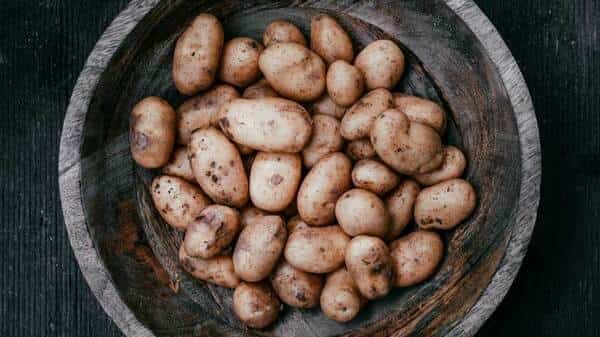
For Indian home cooks, this technique works brilliantly with regular potatoes available from local markets and can transform simple roasted aloo into a crisp, fluffy side dish.
Potato Parboiling Time: Quick Overview
| Potato Size/Type | Approximate Parboiling Time |
|---|---|
| Small 2–3 cm cubes | 5–7 minutes |
| Medium roasting chunks | 7–10 minutes |
| Large chunks | 10–12 minutes |
| Baby potatoes, halved | 7–10 minutes |
| Small baby potatoes, whole | 10–15 minutes |
| Waxy potatoes | Around 5–8 minutes |
| Floury/starchy potatoes | Around 7–10 minutes |
| Best doneness test | Knife enters outside easily but centre remains slightly firm |
| Steam-drying after boiling | About 3–5 minutes |
| Typical roasting temperature | Around 200–220°C |
Times are approximate because potato variety, size and starting-water method affect cooking speed.
Is 7 Minutes Long Enough to Parboil Potatoes?
For many roast-potato recipes, seven minutes works extremely well.
In fact, this is the timing used in some well-known roast potato methods. The potatoes become partially tender without becoming fully cooked.
The important part is to look at the potatoes rather than blindly trusting the timer.
After around seven minutes, insert the tip of a small knife into one of the largest pieces. The outside should feel soft enough for the knife to enter, but you should still notice some resistance towards the centre.
If the entire potato feels completely soft and begins breaking when lifted, you have gone beyond parboiling.
If it still feels almost raw, give it another two or three minutes.
Why Parboil Potatoes Before Roasting?
You can certainly put raw potatoes directly into an oven, but parboiling offers an important texture advantage.
The hot water begins cooking the interior while also changing the starches at the potato’s surface. Once drained, these softened edges can be deliberately roughed up.
Those rough, starchy surfaces provide more area for hot oil to coat and brown in the oven.
The result can be exactly what you want from a roast potato:
crunchy golden exterior + soft, fluffy interior.
Parboiling also gives the centre a head start, reducing the risk of producing a beautifully browned potato that remains undercooked inside.
Should You Start Potatoes in Cold or Boiling Water?
Both methods are used successfully.
Starting potatoes in cold salted water allows the pieces to warm gradually and can promote even cooking. Place your evenly cut potatoes into the saucepan, cover them with cold water, add salt and bring everything to a boil.
Once boiling, reduce to a steady simmer and begin checking the potatoes after several minutes.
Alternatively, some recipes place potatoes directly into boiling water.
Whichever method you choose, remember that recipe timings may refer either to total time or to time after the water reaches a boil. This explains why two recipes can give noticeably different numbers while producing similar results.
For repeatable results at home, use the same method each time.
Potato Size Makes a Big Difference
One of the most common mistakes is cutting potatoes into completely different sizes.
Imagine one piece is 2 cm across while another is 6 cm. By the time the large piece has partially cooked, the small one could already be falling apart.
For roast potatoes, aim for reasonably uniform chunks of approximately 4–5 cm.
Smaller cubes can need only around 5–7 minutes, while large chunky potatoes can require 10 minutes or slightly longer.
You do not need a ruler beside the chopping board. Simply try to make all pieces roughly similar.
Which Potatoes Work Best for Roasting?
Floury or starchy potatoes generally produce particularly crisp exteriors and fluffy centres. Russet, Maris Piper and King Edward are common examples internationally.
In India, these specific varieties may not always be labelled or easily available. Regular local potatoes can still produce excellent results.
Look for potatoes that are firm and suitable for boiling and roasting rather than becoming excessively waxy.
Waxy potatoes generally hold their shape better and develop a creamy centre, but they may not create quite the same fluffy, rugged exterior as a flourier potato.
The technique can be adjusted to whichever variety you have.
Why Steam-Drying Is Important
Do not take dripping-wet potatoes directly from the saucepan, cover them with oil and expect maximum crispness.
After parboiling, drain the potatoes thoroughly in a colander and leave them for approximately 3–5 minutes.
You should see steam escaping.
This helps surface moisture evaporate. A relatively dry potato surface roasts more effectively because the oven can begin browning it instead of first spending time evaporating excess water.
For particularly crisp results, allow them to become visibly dry before adding oil.
The Trick for Extra-Crispy Edges
Once the potatoes have drained and steam-dried, gently shake the colander.
Do not shake so aggressively that the potatoes completely disintegrate. You simply want to roughen their softened outer edges.
They should begin looking slightly fluffy rather than perfectly smooth.
Those irregular surfaces are extremely useful during roasting because they create additional nooks and edges that can turn crisp and golden.
This is one reason slightly floury potatoes work so well.
How to Roast Potatoes After Parboiling
Preheat your oven to around 200–220°C, depending on your recipe and oven.
Once the parboiled potatoes have steam-dried, gently roughen them and coat them evenly with oil. Vegetable oil works well, while olive oil can also be used where appropriate.
For an Indian-style version, try salt, black pepper, roasted cumin powder, chilli flakes, garlic or a small amount of chaat masala added at the appropriate stage.
Spread the potatoes across a large roasting tray in one layer.
Do not crowd them together.
When potatoes are packed tightly, escaping moisture becomes trapped and the pieces tend to steam rather than roast properly.
Depending on their size and oven temperature, they will generally need around 35–50 minutes to become deeply golden and crisp. Turn them once or twice during roasting for more even browning.
What Happens If You Parboil Potatoes Too Long?
Overcooked potatoes become extremely fragile.
When you drain them, their corners may break off and some pieces can collapse completely.
A little surface breakdown is actually desirable because it promotes crispness. But there is a difference between rough edges and mashed potatoes.
If you accidentally overcook them slightly, handle them carefully and let them steam-dry before adding oil.
Avoid aggressively tossing very soft potatoes.
If they have completely fallen apart, they are probably better repurposed for mashed potatoes, aloo tikki or another dish rather than forcing them into a roast-potato recipe.
Can You Parboil Potatoes Ahead of Time?
Yes, which makes roast potatoes useful when preparing a large meal.
Parboil, drain and steam-dry the potatoes first. Once they have cooled, store them covered in the refrigerator rather than leaving cooked potatoes sitting at room temperature for hours.
You can then coat and roast them when required.
This is particularly convenient for dinner parties or festive meals because the messy saucepan stage can be completed earlier, leaving you with only the roasting step before serving.
FAQs
1. How long should I parboil potatoes before roasting at 200°C?
For medium-sized chunks, start with approximately 7–10 minutes of parboiling. Drain, steam-dry and roughen the edges before roasting at around 200°C until golden and tender.
2. How do I know when potatoes are parboiled enough?
Insert a small knife into one of the largest pieces. The outside should be softened, but the centre should still offer slight resistance. The potatoes should remain intact when lifted.
3. Why aren’t my roast potatoes crispy after parboiling?
They may have been too wet, overcrowded on the roasting tray or cooked at insufficient heat. After parboiling, let them steam-dry, roughen their surfaces, coat them evenly with oil and leave enough space between pieces.
4. Can I parboil potatoes the day before roasting?
Yes. Parboil and drain them, allow them to cool, then refrigerate them in a covered container. Roast them the following day. This can be particularly convenient when preparing a large family meal.