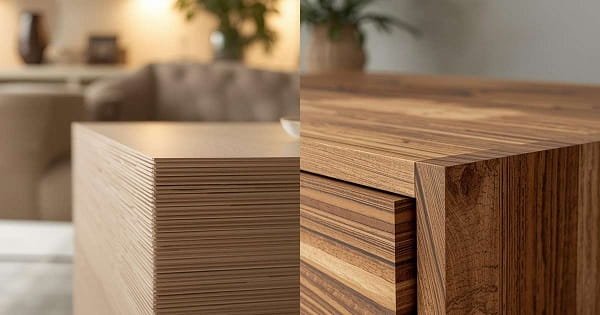
India’s diverse climate—from humid coastal regions and heavy monsoons in the west and south to dry, extreme temperatures in the north and arid zones in Rajasthan—makes choosing the right wood for furniture a critical decision. Furniture in Indian homes must withstand high humidity, termite infestations (common in many areas), seasonal temperature swings, and daily wear from multi-generational families. Beyond durability, factors like aesthetics, cost, sustainability, and cultural preferences play a major role.
There is no single “best” wood for all situations. The ideal choice depends on your budget, specific use (bedroom, living room, outdoor), local climate, and personal style. This comprehensive guide explores the top woods used in Indian furniture, their pros and cons, and expert recommendations to help you make an informed decision.
Understanding Key Factors for Indian Conditions
Indian homes demand wood that resists moisture, warping, cracking, and pests. Termite resistance is especially important, as these insects are prevalent across the country. Natural oils in certain woods provide built-in protection. Density and grain structure affect strength and workability, while availability and price determine accessibility for middle-class families. Sustainability is increasingly vital, with many opting for plantation-grown or reclaimed woods.
Top Woods for Furniture in India
1. Teak Wood (Sagwan)
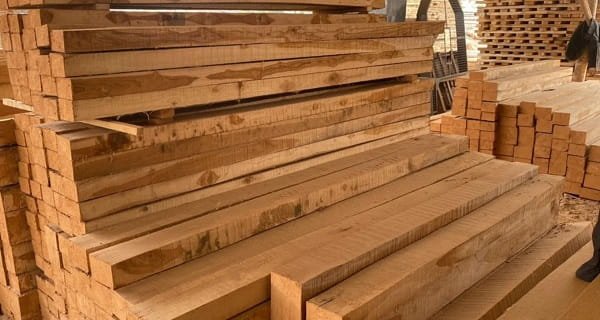
Teak is widely regarded as the gold standard for premium furniture in India. Native to parts of India and Southeast Asia, it contains natural oils that make it highly resistant to water, moisture, fungi, and termites. It ages beautifully, developing a rich golden-brown patina over time.
Pros:
- Exceptional durability (can last 50+ years with minimal maintenance).
- Excellent for humid climates and outdoor use (doors, windows, garden furniture).
- Strong, stable, and resistant to warping.
- Aesthetic appeal with straight grains and a luxurious finish.
Cons:
- Very expensive (often 2-3 times the cost of Sheesham).
- Heavier and harder to work with for intricate carvings.
- Sourcing genuine old-growth teak can be challenging due to regulations.
Best for: Luxury beds, wardrobes, outdoor furniture, and high-end living room pieces in coastal or high-humidity areas.
2. Sheesham Wood (Indian Rosewood)
Sheesham is one of the most popular and versatile woods in Indian households. It offers a perfect balance of beauty, strength, and affordability. Its distinctive dark streaks and wavy grain patterns give furniture a warm, traditional look.
Pros:
- Good durability and termite resistance.
- Beautiful natural grains ideal for carving and traditional designs.
- More affordable than teak.
- Works well for large pieces like beds, dining tables, and sofas.
Cons:
- Less water-resistant than teak; needs proper sealing in very humid areas.
- Can be prone to slight warping if not seasoned well.
- Heavier than some alternatives.
Best for: Most indoor furniture—beds, almirahs, dining sets—in northern and central India. It’s a favorite for its classic Indian aesthetic.
3. Mango Wood
Mango wood has surged in popularity as a sustainable and budget-friendly option. Sourced from trees that have finished fruiting, it supports farmers and reduces waste.
Pros:
- Eco-friendly and affordable.
- Lightweight yet reasonably strong.
- Attractive light color that takes stains and finishes well.
- Good for modern, minimalist, or rustic styles.
Cons:
- Less dense and durable than teak or Sheesham.
- Lower natural termite and moisture resistance (requires treatment).
- Not ideal for heavy daily-use items in extreme climates.
Best for: Coffee tables, bookshelves, accent furniture, or first homes on a budget.
4. Acacia Wood
Acacia is another rising star, known for its density and attractive grain. It’s often compared to Sheesham for value.
Pros:
- Hard, durable, and moisture-resistant.
- Striking patterns and natural color variation.
- Cost-effective alternative to premium woods.
Cons:
- Can be heavier and more prone to movement than teak.
- Availability varies by region.
Best for: Dining tables, chairs, and contemporary furniture.
5. Other Notable Options
- Sal Wood: Extremely hard and termite-resistant; great for structural elements and doors.
- Oak or Walnut: Premium imports with rich looks but higher costs and import dependencies.
- Engineered Woods (Plywood, MDF, Particle Board): Not solid wood but practical for modular furniture, kitchens, and budget setups when paired with veneers. BWP-grade plywood is recommended for moisture-prone areas.
Teak vs Sheesham: The Ultimate Showdown
For most Indian buyers, the choice boils down to Teak or Sheesham. Teak wins on longevity, weather resistance, and low maintenance—ideal if budget allows and you want furniture that lasts generations. Sheesham offers better value, stunning aesthetics, and sufficient durability for indoor use. Many families choose Sheesham for main pieces and Teak for high-exposure items.
Tips for Choosing and Maintaining Furniture
- Assess Your Climate: Prioritize Teak in coastal or rainy regions; Sheesham or treated woods suffice elsewhere.
- Check Certifications: Look for FSC or legal sourcing to ensure sustainability.
- Seasoning and Treatment: Properly kiln-dried wood reduces cracking. Apply polish, lacquer, or termite treatments regularly.
- Budget Planning: Teak can cost ₹800–1500+ per cubic foot, Sheesham ₹400–800, while Mango/Acacia is cheaper.
- Vastu and Style: Darker woods like Sheesham suit traditional homes; lighter tones create modern vibes.
- Hybrid Approach: Combine solid wood frames with engineered panels for cost and performance balance.
- Maintenance: Wipe spills immediately, avoid direct sunlight, and polish annually. Elevated placement helps in termite-prone areas.
Sustainability and Future Trends
With deforestation concerns, plantation teak, mango, and acacia are gaining traction. Many brands now offer reclaimed wood or certified options. Engineered and composite materials are also evolving for eco-conscious consumers.
Conclusion
The “best” wood for furniture in India ultimately depends on your priorities. Teak is the premium, long-term champion for durability and climate resilience. Sheesham strikes the ideal balance for most middle-class Indian homes—beautiful, strong, and affordable. Mango and Acacia shine for budget and sustainable choices. Always buy from reputed manufacturers, inspect the wood quality, and consider multi-year warranties. A well-chosen piece becomes a family heirloom, blending functionality with the warmth of Indian living.
By understanding these options, you can create a home that is not only stylish but built to endure India’s unique challenges for decades.
FAQ
Q1: Which is better, Teak or Sheesham for furniture in India?
A: Teak is superior for durability, moisture, and termite resistance, especially in humid areas. Sheesham is better value for indoor use and aesthetics.
Q2: Is Sheesham wood termite-proof?
A: Sheesham has good natural resistance but is not 100% termite-proof. Proper seasoning, polishing, and occasional treatment are recommended.
Q3: Which wood is best for humid climates like Mumbai or Kerala?
A: Teak is the top choice due to its natural oils. Treated Sheesham or high-grade plywood also works well.
Q4: Is Mango wood durable enough for daily use?
A: It’s suitable for lighter furniture and occasional pieces but not ideal for heavy items like beds in high-traffic homes without proper treatment.
Q5: How can I check if the wood is genuine?
A: Look for weight, grain pattern, smell (Teak has a distinct aroma), and certifications. Buy from trusted brands like Wooden Street, Home Centre, or local reputable carpenters.
Q6: What is the price range for solid wood furniture?
A: A basic Sheesham double bed may cost ₹25,000–60,000, while Teak versions start from ₹50,000+. Prices vary by design and city.
Q7: Should I choose solid wood or engineered wood?
A: Solid wood for longevity and premium feel; engineered for affordability, consistency, and modern modular designs. Many opt for a mix.