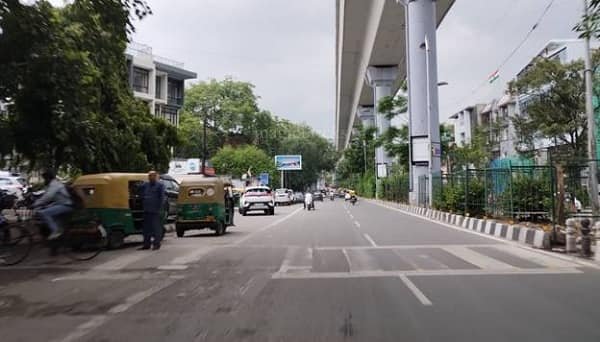
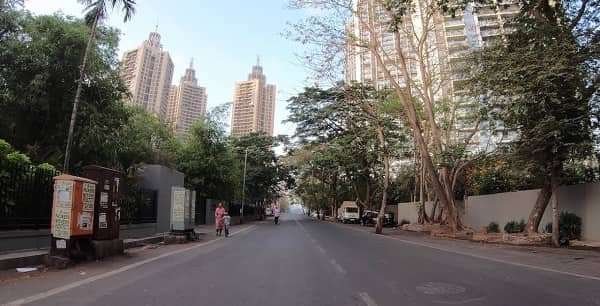
Indira Colony is a well-established, middle-class residential neighbourhood located in the North West Delhi region, primarily in areas like Tri Nagar and Kirti Nagar. It is known for its convenient location, affordable housing, strong community vibe, and easy access to major parts of Delhi. This guide covers everything about Indira Colony in 2026.
| Particulars | Details |
| Established | 1970s–1980s |
| Location | Tri Nagar / Kirti Nagar, North West Delhi |
| Pin Code | 110035 (Tri Nagar) / 110015 (Kirti Nagar) |
| Avg. Property Price | ₹9,500 – ₹13,500 per sq ft (2026) |
| Nearest Metro | Keshav Puram (Red Line), Shakurpur, Netaji Subhash Place |
| Major Landmark | Indira Colony Market, Tri Nagar Market |
| Known For | Affordable housing, local markets, good connectivity |
| Ideal For | Middle-class families, young professionals, first-time buyers |
History of Indira Colony
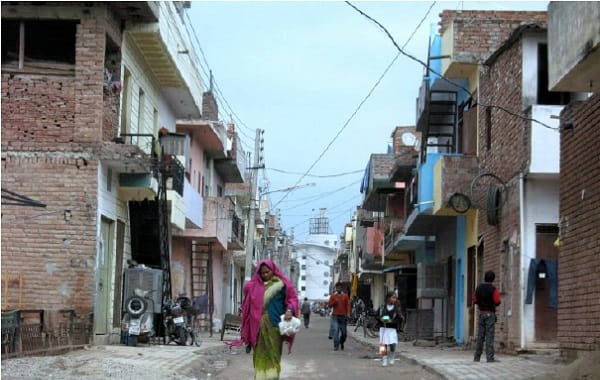
Indira Colony was developed during the 1970s and 1980s as part of Delhi’s urban expansion. Named after former Prime Minister Indira Gandhi, it was primarily planned to accommodate the growing middle-class population in North West Delhi. The colony features a typical Delhi-style layout with independent houses, builder floors, and narrow lanes. Over the decades, it has matured into a densely populated yet well-connected residential area with active local markets and strong community ties.
Prime Location and Connectivity
Indira Colony benefits from its strategic position in North West Delhi, offering decent connectivity to other parts of the city.
- Metro Access: Keshav Puram Metro Station (Red Line) is one of the closest. Netaji Subhash Place (Red & Pink Line) and Shakurpur stations are also easily reachable.
- Road Network: Close to Ring Road, Rohtak Road, and GT Karnal Road. Good access to Ashok Vihar, Punjabi Bagh, Pitampura, and Rohini.
- Rail: Delhi Sarai Rohilla and Azadpur Railway Stations are nearby.
- Airport: Indira Gandhi International Airport is approximately 18–22 km away.
The area is well-served by DTC buses, autos, and cabs, making daily commuting manageable.
Property Market and Real Estate Trends in 2026
Indira Colony offers some of the more affordable housing options in Delhi. As of 2026, average property prices range between ₹9,500 to ₹13,500 per sq ft, depending on the exact pocket (Tri Nagar or Kirti Nagar side).
Key Highlights:
- Builder Floors (2-3 BHK): Most popular — priced from ₹65 lakh to ₹1.8 Cr.
- Independent Houses: Limited availability, generally higher priced.
- Rental Market: Steady demand with 2 BHK rentals between ₹20,000–₹40,000 per month and 3 BHK between ₹35,000–₹55,000.
- Investment Trend: Moderate but steady appreciation due to metro connectivity and limited new supply in established colonies.
It is a preferred choice for end-users and small investors seeking good rental yields in North West Delhi.
Lifestyle and Amenities
Indira Colony offers a typical middle-class Delhi lifestyle with a strong sense of community. Residents enjoy local parks, temples, and daily conveniences within walking distance. The area has a lively yet family-oriented atmosphere.
Schools & Education: Several government and private schools are nearby, including options in Tri Nagar, Ashok Vihar, and Pitampura. Good coaching centres are also available.
Healthcare: Local clinics and nursing homes cater to daily needs. Larger hospitals like Max Hospital, Fortis, and BLK are a short drive away.
Community & Safety: Active Residents’ Welfare Associations (RWAs) manage local issues. The colony is generally considered safe for families.
The Local Market and Food Scene
Indira Colony has a vibrant local market offering fresh vegetables, groceries, street food, and daily essentials. Popular spots serve authentic North Indian street food — chole bhature, parathas, golgappe, and evening snacks. Residents often visit nearby Tri Nagar Main Market and Kirti Nagar for more variety, including furniture and clothing shopping.
Pros and Cons of Living in Indira Colony
Pros:
- Affordable property prices in Delhi
- Decent metro and road connectivity
- Strong local community and markets
- Good rental demand
- Proximity to major commercial areas like Pitampura and Netaji Subhash Place
Cons:
- Narrow lanes and parking challenges
- High population density
- Limited large green spaces
- Older infrastructure in some parts
- Traffic congestion on main roads during peak hours
Final Thoughts
Indira Colony is a practical and budget-friendly residential area in North West Delhi. While it may not offer the luxury or greenery of South Delhi neighbourhoods, it delivers strong value through affordability, connectivity, and everyday conveniences.
If you are a first-time buyer, young family, or investor looking for a middle-class locality with solid fundamentals, Indira Colony (Tri Nagar / Kirti Nagar) is worth considering in 2026. Visit during weekdays to experience the real local vibe.
FAQs About Indira Colony
Q: Is Indira Colony good for families?
A: Yes. It is a safe, community-driven neighbourhood with access to schools, markets, and essential services — suitable for middle-class families.
Q: What is the average price of a 2 BHK in Indira Colony?
A: In 2026, a typical 2 BHK builder floor costs between ₹70 lakh to ₹1.4 Cr, depending on condition and location.
Q: How is the metro connectivity?
A: Reasonably good. Keshav Puram and Netaji Subhash Place metro stations provide access to most parts of Delhi.
Q: Is it a good investment in 2026?
A: It is suitable for buyers seeking rental income and moderate long-term appreciation. It offers better value compared to more expensive South or East Delhi areas.
Q: Which is better – Indira Colony or nearby Ashok Vihar / Punjabi Bagh?
A: Indira Colony is more affordable. Ashok Vihar and Punjabi Bagh are more upscale with better amenities but at a higher price point.
Q: Are there good schools and hospitals nearby?
A: Yes, several decent schools and healthcare facilities are available within a 2–5 km radius.