Breakfast is finished, you are already late for work, and brushing your teeth immediately seems like the sensible next step. But if breakfast included orange juice, citrus fruit, fizzy drinks or another acidic food, reaching for your toothbrush straight away may not be the best idea.
A practical rule is to wait around 30–60 minutes before brushing after consuming acidic foods or drinks, with about one hour being the safer simple target recommended by dental-health guidance. Acids temporarily make the tooth surface more vulnerable, and immediate brushing can contribute to enamel wear. Instead, rinse your mouth with plain water and allow saliva time to neutralise acids.
That does not mean you must wait after absolutely everything you eat. The biggest concern is brushing immediately following acid exposure, and your overall routine—brushing twice daily with fluoride toothpaste for about two minutes—matters more than trying to time every meal perfectly.
Brushing After Eating: Quick Overview
| Situation | Practical Brushing Advice |
|---|---|
| After acidic foods/drinks | Wait about 30–60 minutes |
| Simple easy-to-remember target | Around 1 hour |
| After orange/lemon juice | Wait before brushing |
| After fizzy drinks | Wait before brushing |
| After wine | Wait before brushing |
| After vomiting/acid reflux episode | Rinse first; avoid immediate brushing |
| While waiting | Rinse with plain water |
| Morning brushing | Before breakfast can be convenient |
| Night brushing | Brush last thing before bed |
| Brushing frequency | Twice daily |
| Brushing duration | About 2 minutes |
| Toothpaste | Use fluoride toothpaste |
| After brushing | Spit; avoid immediately rinsing with water |
Why Should You Wait Before Brushing After Eating?
- The issue is primarily acidity, not the physical presence of food.
- Acidic foods and drinks can temporarily create conditions that favour enamel erosion. Dietary acids are recognised as an important contributor to erosive tooth wear, especially when exposure happens frequently.
- If you aggressively brush immediately afterwards, you may add mechanical abrasion while the tooth surface is vulnerable.
- Your mouth already has a natural defence system: saliva.
- Saliva helps dilute and neutralise acids and contributes to the recovery of the tooth surface. Giving it some time before brushing is therefore sensible.
- This is why the American Dental Association advises waiting an hour after acidic foods before brushing.
Is 30 Minutes Long Enough?
- You will see both 30 minutes and 60 minutes mentioned in dental guidance.
- Some NHS dental guidance recommends waiting at least 30 minutes after eating or drinking, while other NHS and ADA guidance recommends approximately one hour after acidic foods or beverages.
- For an everyday rule that is easy to remember, 60 minutes after clearly acidic food or drink is a sensible conservative target.
- You do not need to stand beside the bathroom watching a timer.
- If you drink orange juice at 8 AM, for example, brushing around 9 AM is reasonable. Alternatively, brush before breakfast.
Which Foods and Drinks Should Make You Wait?
- Acidic drinks are particularly important.
- Common examples include soft drinks, citrus juices, energy or sports drinks, wine and drinks containing substantial dietary acids. Citrus fruits and sour foods can also create acidic exposure.
- Even sugar-free fizzy drinks can be acidic, so “zero sugar” does not automatically mean harmless to enamel.
- The frequency of exposure matters too. Sipping an acidic drink slowly throughout the afternoon repeatedly exposes the teeth to acid, which can be worse for enamel than consuming it during a shorter period.
- So rather than obsessing over brushing afterwards, reduce how frequently your teeth encounter acidic beverages in the first place.
Should You Brush Before or After Breakfast?
- For many people, brushing before breakfast is an extremely practical solution.
- You wake up, brush thoroughly with fluoride toothpaste, get ready and then eat breakfast.
- This avoids the problem of needing to wait after orange juice, fruit or another acidic breakfast item.
- If you prefer brushing after breakfast because you want your mouth to feel fresh before leaving home, that is also possible. Just allow sufficient time after acidic foods.
- What matters most is maintaining the core habit of brushing twice daily for approximately two minutes using fluoride toothpaste, including last thing before bed.
What Should You Do While Waiting to Brush?
If your mouth feels unpleasant after eating, you do not need to simply tolerate it for an hour.
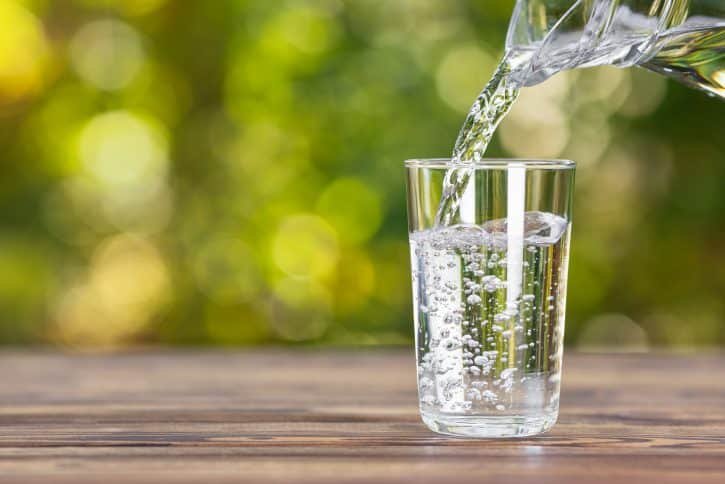
Rinse with plain water.
- The ADA specifically recommends water after acidic foods and beverages. Water can help wash away residues without subjecting the teeth to immediate brushing.
- Sugar-free chewing gum can also increase saliva production after a meal. Increased salivary flow helps dilute and neutralise acids produced in the mouth.
- So after lunch at work, a simple routine could be:
Finish meal → rinse with water → chew sugar-free gum if desired → brush later if it fits your normal routine.
- Remember, you do not actually need to brush after every meal. Twice-daily brushing is the standard recommendation for most people.
What About Tea and Coffee?
- Tea and coffee are everyday staples in India, so this is a practical question.
- You do not need to rush to the washroom and brush immediately after every cup.
- Coffee can contribute to an acidic oral environment, and frequent beverage exposure may also contribute to staining. If your drink contains sugar, frequent consumption creates an additional dental concern.
- Instead of repeatedly brushing throughout the day, drink water afterwards and maintain your regular morning and nighttime brushing routine.
- If staining is your main concern, aggressive brushing is not the solution. Brushing too hard can damage gums and contribute to tooth wear.
How Long Should You Wait After Vomiting?
- This is particularly important because stomach contents are highly acidic.
- After vomiting, do not immediately scrub your teeth.
- The ADA recommends rinsing the mouth with water, milk or a sodium-bicarbonate rinse after exposure to stomach acid rather than brushing straight away.
- Allow the mouth time to recover before brushing.
- This advice can also be relevant for people who experience frequent acid reflux. Repeated stomach-acid exposure can contribute to dental erosion.
- If vomiting or reflux happens frequently, speak with a healthcare professional and dentist because protecting the teeth alone does not address the underlying problem.
Should You Rinse With Water After Brushing?
- Interestingly, this is where the advice changes.
- Rinsing with water before brushing after an acidic meal can be helpful.
- But immediately after brushing with fluoride toothpaste, NHS guidance recommends spitting out the excess toothpaste without rinsing with water. Rinsing immediately washes away fluoride remaining on the teeth and can reduce its protective effect.
- So remember:
After acidic food: rinse with water.
After fluoride toothpaste: spit, don’t rinse.
- This small difference can make your oral-care routine much clearer.
Build a Simple Daily Brushing Routine
- You do not need to organise your entire day around your toothbrush.
- For a typical Indian workday, brushing before breakfast can solve the morning timing problem. Brush for about two minutes with fluoride toothpaste, spit out the excess and avoid immediately rinsing.
- During the day, rinse with water after acidic meals or drinks rather than repeatedly brushing.
- At night, brush thoroughly last thing before going to bed. Nighttime brushing is particularly important because it removes plaque and leaves fluoride on the teeth during the long overnight period.
- Also clean between the teeth daily using floss or another suitable interdental cleaner.
- If you have enamel erosion, sensitive teeth, braces, gum disease, dry mouth or a high risk of cavities, your dentist may recommend a more personalised routine.
FAQs
1. Should I wait 30 minutes or one hour before brushing my teeth?
After acidic foods or drinks, waiting around 30–60 minutes is commonly advised. Using one hour as your standard rule is a simple conservative approach and aligns with ADA guidance for acidic foods.
2. What happens if I brush immediately after drinking orange juice?
Orange juice is acidic. Brushing immediately after consuming it can increase mechanical wear on enamel while the tooth surface is vulnerable. Rinse with water and wait before brushing.
3. Is it better to brush before breakfast?
It can be very convenient. Brushing before breakfast avoids the problem of brushing immediately after acidic breakfast foods and drinks. The bigger priorities are brushing twice daily for about two minutes with fluoride toothpaste and always including nighttime brushing.
4. Can I rinse my mouth immediately after eating?
Yes. Rinsing with plain water after acidic food or drinks is a useful option while you wait to brush. Do not confuse this with rinsing immediately after fluoride toothpaste; after brushing, spit out the excess toothpaste rather than washing it away with water.