Indian homes face unique challenges that test furniture like nowhere else. Scorching summers, heavy monsoons, high humidity in coastal areas, dry dusty winds in the north, and the ever-present threat of termites demand thoughtful selection. Furniture here often serves multi-generational families, hosts frequent guests during festivals, and must endure daily wear while fitting into varied living spaces—from compact urban apartments to spacious bungalows. Choosing durable furniture is not just about aesthetics; it’s an investment in long-term comfort, functionality, and value.
This guide equips you with practical strategies to select furniture built to last in Indian conditions, blending traditional wisdom with modern insights.
1. Understand Your Climate and Usage Patterns
The first step is assessing your local environment and lifestyle. In humid cities like Mumbai, Kolkata, or Kerala, prioritize moisture-resistant materials to prevent warping, swelling, or mold. In drier regions like Delhi or Rajasthan, focus on woods that resist cracking from low humidity and dust accumulation.
Consider usage: High-traffic items like dining tables and sofas need extra sturdiness. For joint families, opt for robust, multi-functional pieces. Measure your space accurately—many regret purchases that don’t fit doorways or rooms. Factor in Vastu preferences common in Indian households, such as placing heavy furniture in the southwest for stability.
2. Choose the Right Materials
Wood Selection
Solid wood remains king for durability in India.
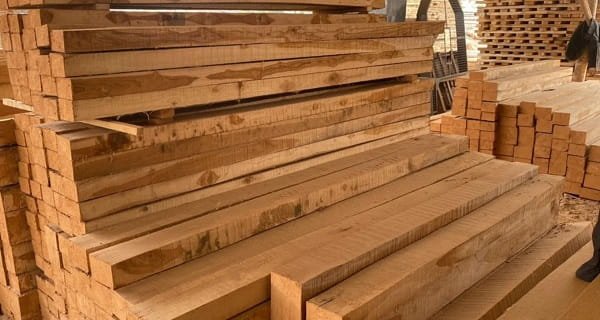
- Teak (Sagwan): The premium choice. Its natural oils provide exceptional resistance to water, termites, fungi, and weathering. Ideal for humid climates, outdoor pieces, and heirloom-quality items like beds and wardrobes. It ages gracefully but comes at a higher price.
- Sheesham (Indian Rosewood): A versatile favorite. Dense, strong, with beautiful grains, it offers good termite resistance and suits traditional carvings. Excellent for indoor furniture like dining sets and almirahs in most Indian climates.
- Mango Wood and Acacia: Sustainable, affordable options. Mango wood is lightweight and eco-friendly (sourced from fruit-bearing trees post-harvest). Acacia provides density at a lower cost. Both work well for modern or budget setups but benefit from protective treatments.
Avoid cheap particle board or low-grade MDF in high-humidity areas unless using BWP (Boiling Water Proof) grades with proper laminates.
Upholstery and Fabrics
Choose fabrics that resist dust, stains, and fading. Microfiber, leatherette, or treated cotton blends perform better than delicate velvets. For sofas, look for removable, washable covers. In hot climates, breathable materials like linen or cotton prevent discomfort.
Metal and Other Materials
Stainless steel or powder-coated iron for beds and racks offers rust resistance in humid zones. Rattan, bamboo, or cane provide lightweight, breathable alternatives for chairs and accents, especially in tropical areas.
3. Evaluate Construction Quality
Durability hinges on how pieces are built:
- Joinery: Mortise-and-tenon or dovetail joints are superior to nails or basic screws. They provide strength without visible hardware.
- Hardware: Heavy-duty hinges, soft-close drawers, and quality sliders ensure smooth, long-term operation.
- Finishes: Multiple layers of polyurethane, lacquer, or teak oil seal the wood against moisture and pests. Check for uniform polishing without rough edges.
- Weight and Thickness: Heavier, thicker components generally indicate better quality. Lift drawers and sit on sofas to test stability.
Request warranties—reputed brands offer 3–10 years on frames and structures.
4. Prioritize Multi-Functional and Space-Saving Designs
Indian homes often maximize limited space. Look for:
- Hydraulic storage beds
- Sofa-cum-beds
- Extendable dining tables
- Modular wardrobes
- Wall-mounted units
These reduce clutter and adapt to changing family needs. Ensure mechanisms are robust and easy to operate.
5. Budget Wisely and Avoid Common Pitfalls
Durable doesn’t always mean most expensive, but cheap often leads to frequent replacements. Allocate budget strategically: Spend more on high-use items (beds, sofas) and save on accents.
Common mistakes to avoid:
- Buying without measuring or planning the room layout.
- Ignoring climate suitability (e.g., untreated wood in monsoons).
- Overlooking maintenance requirements.
- Focusing solely on trends over timeless designs.
Shop from trusted sources: Pepperfry, Urban Ladder, Wooden Street, or local carpenters with good reviews. Visit showrooms to inspect in person, especially for wood quality and finish.
6. Maintenance for Longevity
Even the best furniture needs care:
- Wipe spills immediately.
- Use coasters and mats.
- Polish wooden pieces periodically.
- Apply termite treatments annually.
- Keep furniture away from direct sunlight and water sources.
- Ensure good ventilation around pieces.
In monsoons, use dehumidifiers or silica gel in wardrobes.
Why Durability Matters in Indian Homes
Well-chosen furniture becomes part of family legacy—passed from generation to generation. It reduces environmental impact through fewer replacements and supports sustainable living. With rising costs, investing in quality saves money over time while creating comfortable, welcoming spaces for celebrations, work, and rest.
Conclusion
Choosing durable furniture for Indian homes requires balancing climate resilience, quality construction, functionality, and aesthetics. By prioritizing suitable woods like teak or sheesham, robust builds, and practical designs, you create a home that stands strong against daily demands and seasonal challenges. Take time to research, inspect thoroughly, and invest thoughtfully. Your future self—and generations to come—will thank you for a home that remains beautiful, functional, and enduring.
FAQ
Q1: What is the most durable wood for furniture in humid Indian climates?
A: Teak is the top choice due to its natural oils that resist moisture, termites, and decay. Sheesham is a strong second for most indoor applications.
Q2: How can I protect furniture from termites?
A: Choose naturally resistant woods, ensure proper seasoning and polishing, apply periodic anti-termite treatments, and elevate pieces off the floor.
Q3: Are engineered woods suitable for Indian homes?
A: Yes, if using high-quality BWP plywood or moisture-resistant boards with good laminates. They work well for modular and budget-friendly options but are less ideal than solid wood for heavy-use items in very humid areas.
Q4: What should I look for when buying a sofa for durability?
A: Check the frame (solid wood preferred), high-density foam, sturdy springs or webbing, and easy-to-clean, fade-resistant upholstery.
Q5: How much should I budget for durable furniture?
A: For a basic 2-3 room setup with quality pieces, expect ₹2-5 lakhs or more, depending on materials and size. Prioritize key items like beds and wardrobes.
Q6: Is it better to buy online or from physical stores?
A: Both have merits. Physical stores allow inspection of quality and finish. Online platforms offer convenience, reviews, and easy returns—combine both by researching online and verifying in-store when possible.
Q7: How do I ensure furniture matches Vastu principles?
A: Consult a Vastu expert for placement. Generally, use heavy, stable wooden furniture in southern or western directions for balance and positive energy.