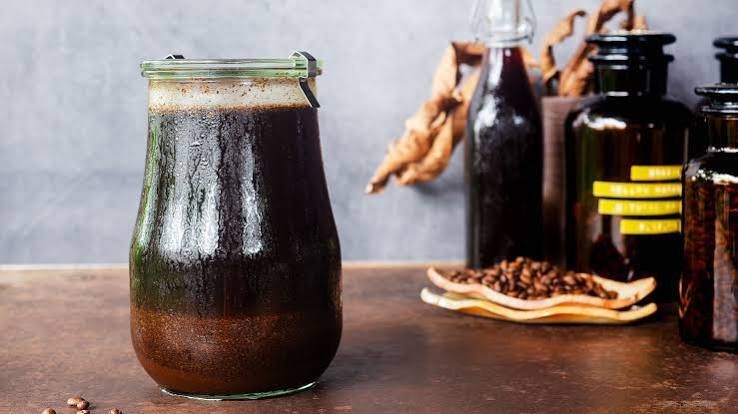
You mix coffee grounds with water at night, put the jar in the fridge and go to sleep. The next morning, the colour looks perfect—but is the cold brew actually ready? Should you strain it at 12 hours, wait until 18 hours, or leave it for a full day?
For most home brewers, 12–24 hours is the practical cold brew steeping range, with around 16–18 hours being an excellent starting point. Refrigerator brewing generally benefits from the longer end because cold temperatures slow extraction, while room-temperature brewing happens faster. The grind size, coffee-to-water ratio and roast also influence the ideal time.
For Indian homes, refrigerator steeping is particularly convenient because kitchen temperatures can become quite high, especially during summer. It provides a more stable brewing environment and makes your results easier to repeat.
Cold Brew Steeping Time: Quick Overview
| Steeping Method | Practical Time |
|---|---|
| Refrigerator cold brew | 12–24 hours |
| Good starting point in fridge | 16–18 hours |
| Room-temperature steep | Around 8–14 hours |
| 12-hour fridge steep | Lighter, milder flavour |
| 16–18 hours | Balanced strength and body |
| 20–24 hours | Stronger, fuller flavour |
| More than 24 hours | Usually unnecessary; flavour may become flat or harsh |
| Recommended grind | Coarse |
| Beginner-friendly method | 16 hours in refrigerator |
| After steeping | Strain grounds and refrigerate the coffee |
Is 12 Hours Long Enough for Cold Brew?
Yes. Twelve hours can produce perfectly drinkable cold brew, particularly if you prefer a lighter and cleaner cup.
At this point, enough extraction may have occurred to produce recognisable cold brew characteristics, but the drink can have less body than a longer steep.
If your first 12-hour batch tastes weak, do not immediately double the amount of coffee. Try allowing the next batch to steep for 16 hours while keeping everything else unchanged.
Changing one variable at a time makes it much easier to discover what you actually prefer.
For many beginners, 12 hours works as the lower end rather than the ideal target.
Why Is 16–18 Hours a Good Starting Point?
This range provides a useful middle ground between an underdeveloped brew and one that has been left sitting on the grounds unnecessarily long.
Recent cold-brew brewing guides commonly recommend approximately 12–24 hours overall, with 16–18 hours frequently treated as a useful sweet spot for refrigerator immersion brewing.
At around 16 hours, medium and medium-dark coffees can develop plenty of body while retaining a clean flavour.
It is also extremely convenient.
Start your batch at 8 PM and strain it around noon the following day. Alternatively, prepare it before leaving for work and filter it later that evening.
Once you have tried 16 hours, experiment with 14, 18 or 20 hours according to taste.
What Happens If You Steep Cold Brew for 24 Hours?
A 24-hour steep can produce a bold, heavy cold brew, especially when using a coarse grind and refrigerator temperatures.
This can work particularly well when making concentrate that will later be diluted with milk, water or plenty of ice.
However, longer does not automatically mean better.
By 24 hours, you are already near the upper end of the normal home-brewing range. Leaving the coffee grounds submerged much longer may produce muddier, woody, flat or overly harsh flavours rather than useful additional strength.
If you want substantially stronger cold brew, increasing the coffee-to-water ratio is generally more controllable than steeping the same grounds for 36 or 48 hours.
Fridge vs Counter: Does Steeping Time Change?
Yes, because extraction speed changes with temperature.
Cold water in the refrigerator extracts coffee more slowly. That is why fridge recipes commonly use 12–24 hours.
At room temperature, extraction happens faster. Depending on the recipe and grind, roughly 8–14 hours may be sufficient.
For Indian households, however, “room temperature” can mean very different things.
A Bengaluru winter kitchen may be pleasantly cool, while a Delhi kitchen during May can become extremely hot. Leaving a jar on the counter in high temperatures makes the brewing environment less predictable.
Refrigerator brewing provides much more consistent temperature control and is therefore a sensible default for home cold brew.
Why Grind Size Matters So Much?
Use coarsely ground coffee for traditional immersion cold brew.
Imagine the texture used for a French press rather than the fine powder used for espresso.
Fine coffee has much more surface area exposed to water and extracts quickly. During a 16-hour immersion, it can create an overly intense, muddy cup and make filtration frustrating.
Coarse grounds extract more gradually and are much easier to separate from the finished coffee.
If buying beans from a local café or roaster, simply ask for them to be coarsely ground for cold brew.
If you have a grinder at home, experiment around its coarse settings until you find a texture that produces a clean, balanced result.
What Coffee-to-Water Ratio Should You Use?
The ideal ratio depends on whether you want ready-to-drink coffee or concentrate.
For an easy ready-to-drink starting recipe, try approximately:
100 g coffee + 1 litre water
This gives you a 1:10 coffee-to-water ratio by weight and produces a reasonably strong cold brew that you can adjust according to preference.
For a stronger concentrate, you might use approximately 1:5 to 1:8 and dilute the finished brew before drinking.
If you want a lighter drink, increase the amount of water.
There is no requirement to make cold brew concentrate. If you prefer grabbing a bottle directly from the fridge without measuring or diluting anything, brew it at drinking strength from the beginning.
Does Dark Roast Need a Different Steeping Time?
Roast level changes how cold brew tastes, although you do not necessarily need a completely different recipe.
Medium and dark roasts are popular for cold brew because their chocolate, nutty and caramel-like characteristics often work particularly well with cold extraction.
Dark roast can become overpowering if you use an extremely strong ratio and very long steep simultaneously.
Light roast can produce a brighter, more delicate cold brew and may benefit from experimentation with longer steeping or different ratios.
Start with the same 16-hour recipe and adjust after tasting rather than automatically assuming every light roast needs 24 hours.
How to Make Cold Brew at Home Step by Step
You do not need a dedicated cold brew machine.
Take a clean glass jar and add 100 g of coarse coffee grounds. Pour in approximately 1 litre of cold or filtered water.
Stir gently so that all the grounds become wet.
Cover the container and place it in the refrigerator for approximately 16 hours.
Once the steeping period finishes, strain the mixture through a fine-mesh strainer. For a cleaner cup, filter it again through a paper coffee filter.
Do not leave the used grounds sitting in the finished drink.
Transfer your filtered cold brew into a clean, covered bottle or container and keep it refrigerated.
Serve over ice, add cold water for a lighter drink, or combine it with milk according to your preference.
How Do You Know When Cold Brew Is Ready?
The clock gives you a useful reference, but taste is the better test.
At 12 hours, take a small sample. If it tastes thin or underdeveloped, continue steeping.
Try again around 16 hours.
A well-balanced cold brew should have enough body and coffee flavour without tasting excessively harsh or muddy.
If your 18-hour brew consistently tastes too strong, shorten the next batch or change the ratio. If it seems weak, increase the coffee quantity rather than automatically extending the brew beyond 24 hours.
Keep a simple note on your phone:
- Coffee: 100 g
- Water: 1 litre
- Grind: Coarse
- Steep: 16 hours
- Result: Slightly weak
Next time, change just one factor.
Within two or three batches, you can create a recipe specifically suited to your beans and taste.
Common Cold Brew Mistakes to Avoid
Using espresso-fine coffee is one of the easiest ways to end up with a muddy drink. Another mistake is assuming 36 hours must produce better coffee than 18 hours.
Avoid constantly changing your ratio, grind and brewing time together.
Also remember that cold brew is not ordinary hot coffee poured over ice. Cold brew relies on prolonged extraction at low temperatures, which produces a noticeably different flavour profile.
Once your target steeping time is reached, filter out the grounds rather than storing the coffee with them still submerged.
FAQs
Q1. Is 12 or 24 hours better for cold brew?
A. Neither is universally better. Twelve hours generally produces a lighter brew, while 20–24 hours can create a fuller, stronger result. Around 16–18 hours is an excellent middle point for beginners using refrigerator brewing.
Q2. Can I steep cold brew for 48 hours?
A. You can physically leave coffee steeping that long, but it is generally unnecessary. Beyond approximately 24 hours, additional steeping may produce flat, woody or harsh flavours. Adjust the coffee-to-water ratio if you want a stronger drink.
Q3. Should cold brew steep in the fridge or at room temperature?
A. Both methods are used, but refrigerator steeping is slower and provides better temperature consistency. For Indian households, particularly during hot weather, refrigerator brewing is the more practical default.
Q4. What is the easiest cold brew recipe for beginners?
A. Try 100 g of coarsely ground coffee with 1 litre of water and refrigerate for approximately 16 hours. Strain thoroughly and taste. You can then adjust the coffee quantity, steeping time or dilution according to your preference.