You have planned dinner, the food is almost ready, and there is a good bottle of red wine waiting on the table. Then comes the question: should you open it now, decant it an hour before dinner, or simply pour it straight into the glasses?
For many people, decanting sounds like something reserved for expensive restaurants, but it can be genuinely useful at home. As a practical starting point, most young red wines that benefit from decanting can be given about 30–60 minutes before serving. Full-bodied, tannic reds may improve with 1–2 hours, while delicate, mature wines often need only 10–30 minutes—or simply careful decanting immediately before serving. Very old wine can actually lose its aromas if exposed to air for too long.
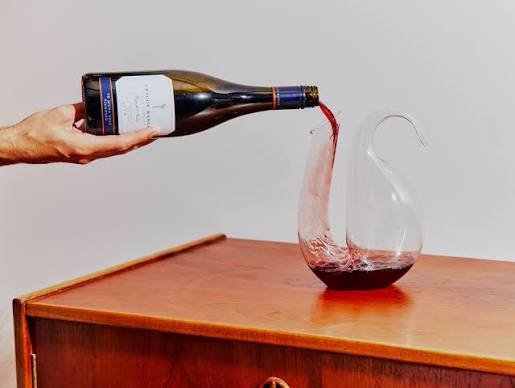
The key is not to follow one fixed time for every bottle. The wine’s age, grape variety, body and condition should decide how long it needs.
Red Wine Decanting Time: Quick Overview
| Type of Red Wine | Practical Decanting Time |
|---|---|
| Light, young reds | 20–30 minutes |
| Medium-bodied reds | 30–60 minutes |
| Young Cabernet Sauvignon | 1–2 hours |
| Young Syrah/Shiraz | Around 1 hour or longer |
| Malbec | Around 30–60 minutes |
| Merlot | Around 30–60 minutes |
| Young Barolo/Nebbiolo | 1–2+ hours |
| Mature red wine | About 10–30 minutes |
| Very old/delicate wine | Decant carefully just before serving |
| Wine with sediment | Decant mainly to separate sediment |
Why Decant Red Wine at All?
There are two main reasons: air and sediment.
Young red wines can sometimes taste tight, highly tannic or less expressive immediately after opening. Pouring the wine into a decanter dramatically increases its contact with oxygen compared with leaving it inside a narrow-necked bottle.
With time, aromas can become more expressive and the wine may seem smoother and more approachable.
Older red wines present a different problem. During bottle ageing, natural sediment can develop. Decanting allows you to separate the clear wine from this deposit so that sediment does not end up in the glass.
However, older wines are also more fragile. They generally need gentler treatment than young, powerful reds.
Is 30 Minutes Enough to Decant Red Wine?
For many everyday red wines, 30 minutes is an excellent starting point.
Wine Enthusiast recommends around 30 minutes for young tannic reds and older vintage wines as a broad guideline. Wine Folly similarly suggests approximately 20–30 minutes for lighter reds and 30–60 minutes for medium-bodied styles.
If you are serving a young Pinot Noir, Grenache or relatively soft Malbec, half an hour may be all that is needed.
The easiest test is simply to taste it.
Pour a small amount immediately after opening. Taste it again after 20–30 minutes in the decanter. If the aromas have become more expressive and the flavours feel more balanced, it is ready.
If it still seems closed, give it more time.
Which Red Wines Need One to Two Hours?
Young, powerful wines generally tolerate—and sometimes benefit from—more aeration.
A young Cabernet Sauvignon, Syrah/Shiraz, Nebbiolo, Tannat or Mourvèdre-based wine can have substantial tannin and structure. These wines may need an hour or more to open properly.
Decanter’s guidance notes that young tannic reds, including Cabernet, Malbec, Syrah and Tannat, can particularly benefit from aeration. Some very structured young wines can continue improving for several hours.
A broad-bottomed decanter accelerates the process because more wine is exposed to air.
But avoid thinking that four hours automatically makes a wine four times better. Excessive oxygen exposure can eventually flatten aromas and fruit.
Should Old Red Wine Be Decanted for Hours?
Usually not.
This is one of the biggest mistakes people make with special bottles.
A red wine that has aged for 15, 20 or 30 years can be much more delicate than a recently released bottle. Long exposure to oxygen may cause its beautiful mature aromas to fade surprisingly quickly.
Wine experts note that some mature, light-bodied wines can open in only 10–15 minutes and may begin losing aroma within about an hour.
For a very old bottle, decant primarily to remove sediment and serve relatively soon afterwards.
If you are uncertain, be conservative. It is better to let a mature wine continue developing gently in the glass than to discover that it peaked in the decanter before dinner started.
How to Decant an Older Red Wine Properly
If you know the bottle contains sediment, stand it upright for several hours before opening. This gives particles time to settle at the bottom.
Some experts recommend standing an important older bottle upright much earlier—potentially around 12 hours before service.
When you are ready, remove the cork carefully and pour the wine slowly into a clean decanter.
Traditionally, a candle was held underneath the bottle neck to help the person pouring see sediment approaching. At home, a phone torch or another small light source works perfectly well.
As soon as sediment begins moving towards the neck, stop pouring.
A small quantity of wine will remain in the bottle, but that is preferable to filling everyone’s glasses with gritty sediment.
Does Simply Opening the Bottle Let It Breathe?
Technically yes, but not very efficiently.
Removing the cork exposes only the small surface of wine at the bottle’s neck to air. Pouring the wine into a broad decanter creates substantially more exposure.
If you do not own a decanter, use a clean glass carafe. It does not need to be an expensive crystal vessel.
You can also pour the wine directly into large wine glasses and allow it to develop there. Swirling increases contact with air.
This can actually be a smart approach for mature wines because you can experience how the wine changes gradually rather than exposing the entire bottle aggressively.
How Does Grape Variety Affect Decanting Time?
Different grape varieties naturally produce wines with different levels of tannin, body and structure.
A delicate Pinot Noir may require only 20–30 minutes, and some examples may be enjoyable immediately.
A young Cabernet Sauvignon can often benefit from around an hour or more.
Syrah/Shiraz can also handle longer aeration, particularly when young and powerful.
Nebbiolo, the grape behind Barolo and Barbaresco, can produce highly structured, tannic wines that may need significant air when young.
However, grape variety alone cannot determine the correct time. A 15-year-old Cabernet should not automatically receive the same treatment as a two-year-old Cabernet.
Age and individual bottle condition remain important.
What Temperature Should Red Wine Be When Decanted?
“Room temperature” can be misleading in India.
Traditional serving recommendations assume a relatively cool European room—not a Delhi living room at 28°C.
Many fuller classic reds show well at approximately 16–18°C, while lighter reds can be served slightly cooler. Serving red wine too warm can make alcohol seem more prominent and reduce its freshness.
If your home is warm, cool the bottle before serving rather than leaving it on a dining table for hours.
Remember that the wine may warm gradually while sitting in the decanter.
Can You Decant Red Wine Too Long?
Yes.
Once wine is exposed to oxygen, it continues evolving. Initially, this may reveal more fruit, soften the impression of tannins and improve aromatic complexity.
Eventually, however, excessive oxygen exposure can cause the wine to lose freshness and become flat.
Professional comparative tasting has shown why decanting too early can be worse than decanting slightly late, particularly with mature wines.
If you are unsure about an unfamiliar bottle, start conservatively:
Taste → decant for 20–30 minutes → taste again → extend if necessary.
This is far more reliable than blindly deciding every red needs two hours.
Simple Decanting Schedule for a Dinner Party
Suppose dinner begins at 8 PM.
For a young, full-bodied Cabernet or Shiraz, consider tasting and decanting around 6:30–7:00 PM.
For a medium-bodied red, around 7:15–7:30 PM may be sufficient.
For a mature bottle, keep it upright beforehand, open it closer to dinner and carefully decant shortly before serving if sediment needs removing.
If you have never tasted that particular wine before, always check it immediately after opening. Wine does not follow a stopwatch, and your palate is ultimately more useful than a rigid timetable.
FAQs
Q1. Is one hour enough to decant red wine?
A. Yes, one hour is a very useful starting point for many young, medium- to full-bodied red wines. Powerful Cabernet Sauvignon, Syrah or Nebbiolo-based wines may sometimes benefit from longer, while lighter reds may need only 20–30 minutes.
Q2. Can I decant red wine three hours before dinner?
A. You can with some young, highly structured wines, but three hours is unnecessary or excessive for many bottles. Mature wines are particularly vulnerable to prolonged oxygen exposure, so taste periodically rather than assuming longer is better.
Q3. Does cheap red wine benefit from decanting?
A. Sometimes. An inexpensive young red that initially seems tight or harsh may become more expressive after 20–30 minutes of aeration. Decanting cannot transform poor-quality wine into premium wine, but it can change how some wines smell and taste.
Q4. Should I decant a 20-year-old red wine?
A. Possibly, especially if it contains sediment, but handle it carefully. Stand the bottle upright beforehand, pour slowly and consider serving soon after decanting. Very mature wines can fade quickly once exposed to substantial oxygen.