A green lawn can turn dry and patchy surprisingly fast during an Indian summer. The natural reaction is to grab the hose whenever you get a free moment—often in the afternoon when the grass looks hottest. But when you water can be almost as important as how much you water.
For most lawns, the best time to water is early morning, ideally around 5:00 AM to 9:00 AM. Temperatures are cooler, winds are often lighter and less water is lost through evaporation. The grass also has time to dry during the day, which can reduce the risk of problems associated with prolonged leaf wetness. Turf specialists commonly recommend early-morning irrigation and advise watering deeply but less frequently rather than giving established grass a small amount every day.
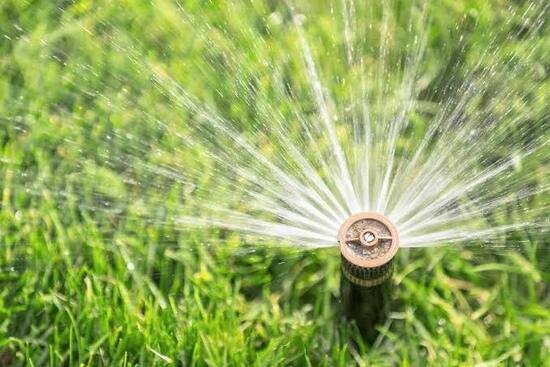
For Indian homes, however, weather, monsoon rainfall, soil type and grass variety should all influence the final schedule.
Lawn Watering Time: Quick Overview
| Time of Day | Is It Recommended? | Main Reason |
|---|---|---|
| 4:00–6:00 AM | Excellent | Very low evaporation |
| 6:00–9:00 AM | Best for most homes | Efficient watering with time for grass to dry |
| 9:00–11:00 AM | Acceptable when necessary | Evaporation begins increasing |
| 11:00 AM–4:00 PM | Generally avoid | Greater water loss through evaporation |
| 4:00–6:00 PM | Not ideal | Less drying time before night |
| Late evening | Usually avoid in humid conditions | Grass can remain wet for hours |
| Overnight | Climate-dependent, but morning is safer | Prolonged moisture can favour some turf diseases |
Why Early Morning Is the Best Time to Water a Lawn
- Early morning provides a useful balance between water efficiency and lawn health.
- At 6 AM, the soil and air are generally cooler than they will be at midday. Water therefore has more opportunity to enter the soil instead of being rapidly lost to evaporation. Wind speeds can also be lower, helping sprinklers distribute water more evenly.
- As the morning progresses, sunlight and rising temperatures help dry moisture remaining on grass blades.
- University turf guidance commonly places the ideal watering period around 4 AM to 8 AM, while other recommendations extend the useful morning window to approximately 9 AM.
- You do not need to wake up at 5 AM holding a garden hose. A simple tap timer or automatic irrigation controller can handle early-morning watering.
Why Afternoon Watering Is Usually a Bad Idea
- Imagine running a sprinkler across your lawn at 2 PM in Delhi during May. The ground is hot, the air is dry and temperatures may be close to their daily maximum.
- Some water will still reach the soil, but afternoon irrigation is generally less efficient because evaporation is much higher.
- The common claim that water droplets act like magnifying glasses and “burn” grass is not the main concern. Turf guidance indicates that midday irrigation does not inherently burn the lawn; water wastage through evaporation is the bigger problem.
- If a newly planted lawn is dangerously dry during extreme heat, keeping it alive is obviously more important than waiting for the perfect hour. But for routine irrigation, move watering to the morning.
Should You Water Your Lawn in the Evening?
- Evening feels like an obvious alternative. Temperatures have fallen, you are back from work and evaporation is lower.
- The problem is that grass may remain wet throughout the night, particularly in warm, humid conditions. Extended leaf wetness can favour certain fungal diseases.
- That is why many turf specialists prefer morning watering.
- The issue is somewhat climate-dependent. In very dry climates, some turf guidance considers evening or overnight watering acceptable because evaporation is low and disease risk may differ.
- For much of India—especially during humid weather—the simpler practical choice is early morning whenever possible.
How Often Should You Water Your Lawn?
- The answer is not necessarily “every day.”
- An established lawn generally benefits from deeper, less frequent watering rather than frequent shallow sprinkling. Deep irrigation encourages roots to explore further into the soil, which can improve the lawn’s ability to handle short dry periods.
- Instead of automatically watering every morning, watch the grass.
- One useful warning sign is “footprinting.” Walk across the lawn and check it later. If footprints remain visible instead of the grass quickly springing back, the turf may be experiencing water stress. A dull, greyish or bluish appearance can be another indication.
- Rainfall should also count towards the lawn’s water requirement. During India’s monsoon season, an automatic sprinkler running regardless of rainfall can easily result in overwatering.
How Long Should You Run the Sprinkler?
- There is no reliable universal answer such as “20 minutes.”
- Different sprinklers deliver dramatically different amounts of water. Soil also absorbs water at different rates.
- A simple way to understand your sprinkler is the container test. Place several straight-sided containers around the lawn, operate the sprinkler for around 15 minutes and measure how much water has collected.
- If some containers contain much more water than others, your sprinkler coverage may be uneven. This method can help you calculate how long your particular irrigation system needs to operate.
- The aim is to moisten the root zone properly without producing puddles or runoff.
Your Soil Type Changes the Watering Schedule
- Before creating a lawn-watering routine, understand your soil.
- Sandy soil drains quickly and cannot store as much water, so irrigation may need to be divided into more frequent applications.
- Clay-rich soil holds moisture longer but absorbs water more slowly. Applying a large volume too quickly can cause puddling and runoff.
- Guidance from North Dakota State University, for example, recommends less frequent irrigation for clay soil and split applications for sandy soil.
- For compacted Indian garden soil, you may notice water running towards the driveway before penetrating deeply. In that situation, use a cycle-and-soak approach: water for a shorter period, pause to let it soak in and then water again.
- Aerating compacted lawns can also improve water infiltration.
How to Water Lawns During Indian Summers
- Indian summers require flexibility rather than simply turning the sprinkler on every day.
- During a heatwave, inspect the lawn more frequently, but do not assume daily irrigation is automatically beneficial. Even during extreme heat, turf specialists commonly recommend deeper irrigation rather than constant shallow watering.
- Start irrigation around sunrise or shortly beforehand.
- If your lawn receives intense afternoon sun, monitor exposed areas separately. Sections shaded by trees or buildings may remain moist much longer.
- Also adjust mowing. Cutting grass extremely short exposes more soil to direct sunlight and can increase moisture stress. Keeping an appropriate mowing height for your grass variety helps shade the soil.
Should You Water a Newly Planted Lawn at the Same Time?
- A newly seeded or newly laid lawn requires different treatment from established grass.
- New grass has not yet developed a deep root system. Seeds and young seedlings need consistent surface moisture during establishment and may require lighter, more frequent watering.
- This is one situation where the normal “deep and infrequent” rule does not initially apply.
- The goal is moist—not waterlogged—soil. Excessive irrigation can move seeds, create puddles and reduce oxygen around developing roots. Once the lawn establishes properly, gradually transition towards deeper and less frequent watering.
Common Lawn Watering Mistakes to Avoid
- The biggest mistake is watering according to habit instead of actual conditions. A sprinkler programmed for every morning may continue running immediately after heavy rain.
- Another mistake is frequent five-minute watering. It may wet the surface without providing enough moisture deeper in the root zone.
- Watch for runoff as well. If water begins flowing onto paving or collecting in low spots, stop irrigation and allow the soil time to absorb it before restarting.
- Finally, check sprinklers periodically. A blocked or badly positioned sprinkler head can leave one section soaked and another section dry.
How to Know Whether Your Lawn Needs Water Today
- Before switching on the sprinkler, perform three quick checks.
- Look at the grass for wilting, dull colour or footprints that remain visible. Then check the soil below the surface rather than judging only by the dry-looking top layer. Finally, consider recent and expected rainfall.
- If the root zone is already adequately moist, skip irrigation.
- This approach saves water and prevents one of the most common lawn-care problems: overwatering. Excessive irrigation can encourage shallow roots, increase disease pressure and waste both water and money.
FAQs
1. Is 7 AM a good time to water the lawn?
Yes. Around 7 AM falls within an excellent watering window for most lawns. Temperatures are relatively cool, evaporation is limited and grass has plenty of time to dry during the day.
2. Is it better to water grass in the morning or evening?
Morning is generally the safer choice, particularly in humid climates. Early watering limits evaporation while allowing grass blades to dry as the day warms. Evening watering can leave grass wet for an extended period overnight.
3. Should I water my lawn every day during summer?
Usually not for an established lawn. Deep, less frequent irrigation generally encourages stronger rooting than daily shallow watering. Adjust frequency according to temperature, rainfall, grass variety and soil type.
4. What is the best time to water a lawn in India?
For most Indian locations, approximately 5 AM to 9 AM is a practical target. In extremely hot weather, aim towards the earlier part of that window. During monsoon or humid conditions, check soil moisture and rainfall before watering so the lawn is not unnecessarily saturated.