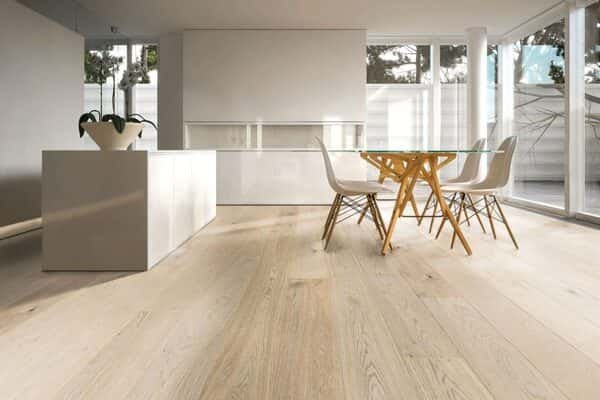
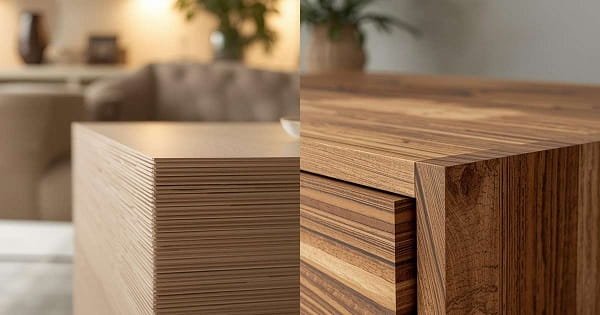
Choosing the right paint is one of the most important decisions when refreshing or building a home in India. While many homeowners focus primarily on colour and brand, understanding the fundamental differences between interior paint and exterior paint is crucial. These two categories are formulated differently to handle distinct challenges — interior paints focus on aesthetics, washability, and indoor air quality, while exterior paints battle harsh weather, UV rays, and moisture. In India’s diverse climate — from humid coastal cities to dry, dusty northern plains and extreme temperature swings — using the wrong paint can lead to peeling, fading, mold growth, and frequent repainting.
This article breaks down the key differences, helps you make informed choices, and provides practical advice tailored for Indian homes.
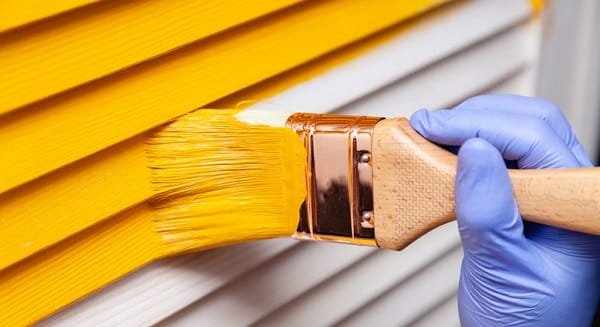
Composition and Formulation Differences
Interior Paints are primarily water-based emulsions designed for indoor walls and ceilings. They contain higher levels of resins for smooth finishes, better coverage, and easy cleaning. Most are low-VOC (Volatile Organic Compounds) to ensure healthier indoor air, which is vital for families with children and elderly members.
Exterior Paints are engineered with superior binders, UV stabilizers, and weather-resistant additives. They are more elastic to accommodate wall expansion and contraction due to temperature changes and offer better resistance to water penetration, algae, and fungal growth.
Key Differences at a Glance
1. Durability and Weather Resistance
Exterior paints are far more robust. They withstand heavy rains, intense sunlight, and pollution. In contrast, interior paints prioritize scrub resistance and stain repellence but will fail quickly if used outdoors.
2. Finish and Appearance
- Interior: Available in rich matte, silk, eggshell, and glossy finishes that enhance room aesthetics and hide imperfections.
- Exterior: Often textured or semi-gloss to shed water and dirt effectively. They may appear less vibrant indoors.
3. Anti-Fungal and Moisture Protection
This is critical in India. Exterior paints usually have stronger anti-fungal properties. For humid areas (Mumbai, Chennai, Kolkata), choose exterior-grade or special anti-mold interior paints for bathrooms and kitchens.
4. UV Protection and Colour Retention
Exterior paints contain advanced pigments that resist fading under harsh Indian sunlight. Interior colours stay true longer because they are shielded from direct UV exposure.
5. Breathability and Flexibility
Exterior paints allow walls to “breathe” while preventing water ingress. They are more flexible to handle cracks. Interior paints focus on smooth application and easy touch-ups.
When to Use Interior vs Exterior Paint in Indian Homes
Interior Paint Applications:
- Living rooms, bedrooms, and hallways.
- Kitchens and bathrooms (use moisture-resistant variants).
- Ceilings (matte white or light shades to reflect light).
Exterior Paint Applications:
- Outer walls of independent houses and apartments.
- Balconies, terraces, and compound walls.
- Any surface exposed to rain and sun.
Important Note: Never use interior paint for exterior surfaces — it will peel within one or two monsoons. Using exterior paint indoors is possible but not recommended as it may have higher VOCs and a less refined finish.
Climate-Specific Recommendations for India
- Humid Coastal Regions: Prioritize anti-fungal and elastomeric exterior paints. For interiors, choose premium emulsions with mold resistance.
- Hot & Dry Areas (Rajasthan, Delhi): Heat-reflective exterior paints help reduce indoor temperatures. Dust-repellent interior paints are ideal.
- Northern Cold Regions: Paints with good flexibility to handle freeze-thaw cycles.
- Multi-Storey Apartments: Focus on balcony and common area exteriors while selecting low-VOC interiors for better indoor health.
Popular Brands and Product Suggestions
Interior:
- Asian Paints Royale Luxe or Tractor Distemper (budget).
- Berger Paints Silk Breathe or Dulux Velvet Touch.
Exterior:
- Asian Paints Apex Ultima or Royale Play.
- Berger WeatherCoat or Dulux Weathershield.
Always check for ISI certification and buy from authorized dealers.
Cost Considerations
Interior premium paints cost ₹250–450 per litre, while exterior paints range from ₹300–600 per litre. Though exterior paints appear costlier, their longevity (4–7 years) makes them economical. Factor in primer, labour, and surface preparation — typically 25–40% of the total painting budget.
Application Best Practices
- Surface Preparation: Clean thoroughly, repair cracks, and apply suitable primer.
- Professional Help: Hire skilled painters for even coats and proper thickness.
- Number of Coats: Two to three coats are standard for best results.
- Timing: Paint exteriors during dry seasons. Ensure good ventilation for interiors.
- Maintenance: Wash interiors periodically; inspect exteriors annually before monsoons.
Health and Environmental Aspects
Choose low-VOC or zero-VOC paints for interiors to reduce headaches, respiratory issues, and chemical exposure. Eco-friendly options are increasingly available and support sustainable living.
Conclusion
Understanding the difference between interior and exterior paint helps Indian homeowners make smarter, long-lasting choices. Interior paints create beautiful, healthy living spaces with easy maintenance, while exterior paints protect your home from India’s challenging weather. Always match the paint to its intended surface and local climate for best performance and value.
Investing time in proper selection and application transforms your house into a durable, attractive, and comfortable home. Whether undertaking a full repaint or a small refresh, the right paint choice enhances aesthetics, protects your investment, and improves quality of life for your family.
FAQ
Q1: Can I use exterior paint inside my home?
A: It is not recommended. Exterior paints may have higher VOC levels and lack the refined finish suitable for indoor living.
Q2: Which paint lasts longer in Indian monsoons?
A: High-quality exterior acrylic or elastomeric paints with strong anti-fungal properties perform best during heavy rains.
Q3: How often should I repaint interior vs exterior walls?
A: Interior walls: every 5–7 years. Exterior walls: every 4–6 years, depending on exposure and paint quality.
Q4: What is the main difference in formulation?
A: Exterior paints have more weather-resistant binders, UV protectors, and flexibility, while interior paints emphasize washability and smooth aesthetics.
Q5: Are low-VOC paints necessary for Indian homes?
A: Yes, especially in enclosed apartments with poor ventilation. They improve indoor air quality significantly.
Q6: Should I use the same brand for interior and exterior?
A: It is convenient and ensures compatibility, but not mandatory. Focus on quality and suitability for each surface.
Q7: How do I choose paint for bathrooms and kitchens?
A: Select moisture-resistant, anti-fungal interior emulsions with semi-gloss or gloss finish for easy cleaning and mold prevention.