Old physical shares are converted into demat form because, in India, shares held as paper certificates can no longer be sold or transferred directly, while the same shares held electronically can be traded in a day, are safe from loss and forgery, and are easier to manage. Since 1 April 2019, SEBI has barred the transfer of listed securities in physical form, which means the only practical way to sell, gift, or pledge shares from an old certificate is to dematerialise them first. Beyond the rule itself, the shift protects investors from real risks, such as a certificate going missing, a signature mismatch blocking a sale, or unclaimed dividends eventually sending shares to a government fund. Here’s why conversion makes sense, how it works, and what to watch for. This is general information, not investment or tax advice.
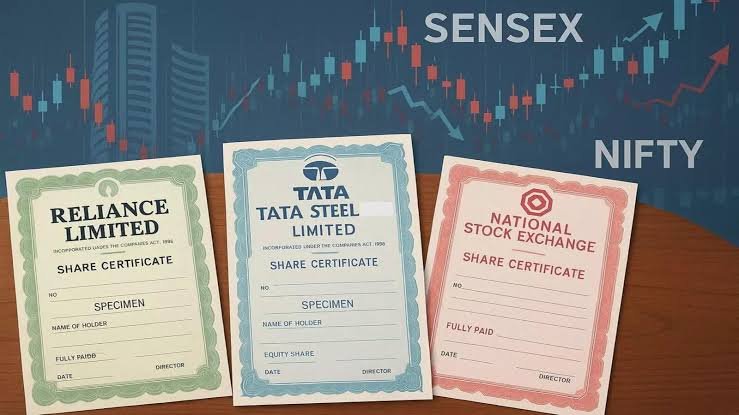
The Rule That Changed Everything
- Physical transfers are barred. Since 1 April 2019, listed companies cannot register the transfer of shares held in physical form, under SEBI’s listing regulations.
- What this means in practice: if you hold a paper certificate and want to sell, gift, or pass on the shares, you must first convert them into a demat account.
- There’s no single law forcing existing holders to convert, but because most services now run through demat, conversion is effectively unavoidable if you want to use the shares.
- Special windows exist for old, stuck transfers. SEBI has opened limited-period windows for investors who lodged transfer deeds before 1 April 2019 that were rejected or left incomplete. The most recent runs from 5 February 2026 to 4 February 2027, covers transfer deeds executed before 1 April 2019 where the original certificate is available, and requires that shares be issued only in demat form. Eligible requests are to be processed within 70 days of complete documents. Shares already transferred to the investor protection fund and disputed cases are outside this window.
Why Converting Is Good for the Investor
Safety of your holding.
- Paper certificates can be lost, stolen, burned, torn, or damaged, and replacing them through a duplicate-certificate process takes time and paperwork.
- Demat shares are recorded electronically with a depository, so there’s nothing physical to lose.
Protection from forgery and duplication.
- Physical certificates have historically been vulnerable to forged signatures, fake or duplicate certificates, and “bad delivery” problems.
- Electronic records are tied to verified accounts, which reduces these risks.
Ability to sell quickly.
- Demat shares can be sold through a broker on the exchange, with settlement the next working day.
- Physical shares can’t be sold on the exchange at all until converted.
Easier corporate actions.
- Dividends can go straight to your linked bank account.
- Bonus shares, splits, and rights entitlements are credited automatically to your demat account instead of requiring new certificates.
A single, consolidated view.
- One account can hold shares of many companies, along with ETFs, bonds, and mutual fund units, making tracking and record-keeping much simpler than managing a stack of certificates in different folios.
Better access to credit.
- Demat shares can be pledged electronically for loans or margin, which isn’t practical with paper certificates.
Simpler nomination and inheritance.
- You can add a nominee to your demat account, and heirs can claim holdings through a standard process rather than hunting for scattered certificates.
Less paperwork overall.
- No need to keep original certificates safe for decades, update addresses with each company separately, or send documents by post for every request.
The Hidden Risk: Unclaimed Shares and the Investor Fund
Many people with old certificates have lost touch with the companies.
- Unclaimed dividends can trigger a transfer. If dividends on shares stay unclaimed for seven consecutive years, the shares can be transferred to the Investor Education and Protection Fund (IEPF), a government fund.
- Recovery is possible but takes effort. You can claim shares back through a prescribed process, including filing a form on the IEPF portal, but it involves documents and time.
- Keeping KYC and bank details updated, and holding shares in demat form where dividends flow automatically, helps avoid this outcome.
How to Convert Physical Shares to Demat, Step by Step
Step 1: Gather your certificates. Locate all original share certificates, and note the companies, folio numbers, and the names on them.
Step 2: Check the details. The name, signature, and joint-holder order on the certificate should match the demat account you’ll use. Differences can delay conversion.
Step 3: Open a demat account, if you don’t already have one, with a depository participant such as a broker or bank.
Step 4: Get the dematerialisation request form (DRF) from your depository participant and fill one in for each company.
Step 5: Submit the form and original certificates. Mark each certificate “Surrendered for dematerialisation,” and hand them over to the depository participant.
Step 6: Verification. The depository participant sends the request and certificates to the company’s registrar and transfer agent, who verifies them against company records.
Step 7: Credit to your demat account. After approval, the electronic shares appear in your account, usually within a few weeks, though timelines vary.
Step 8: Confirm and keep records. Check your holding statement, and retain proof of purchase and any related documents.
Common Hurdles and How to Handle Them
Signature or name mismatch. If your current signature or name differs, you may need to update records with the registrar through a prescribed process.
Lost certificates. You can apply for duplicate certificates, which involves an affidavit, indemnity, and sometimes a newspaper notice, then dematerialise them.
Company name changes, mergers, or delisting. Shares may have changed names or terms, so identify the current registrar and the status of the company.
Joint holdings. Joint holders must match the order of names in the demat account, otherwise a transposition request may be needed.
Deceased holder. Heirs need to go through transmission with documents such as a death certificate and legal heir proof before dematerialising.
Missing KYC details. Registrars may ask for PAN, bank details, and nomination information for the folio.
Old transfer deeds that were rejected. Check whether the special re-lodgement window applies, and note the deadline.
What About Costs and Taxes?
Costs: depository participants may charge a small fee per certificate or per request, and fees vary, so check with yours. Any duplicate certificate or registrar charges are separate.
Dematerialisation isn’t a sale, so converting shares from paper to electronic form is generally not a taxable event, and the original purchase date and cost continue to apply. Tax rules can change, so confirm with a professional.
Keep proof of purchase, since you’ll need the cost and date of acquisition when you sell, and older holdings may involve special grandfathering rules for long-term gains that depend on your situation.
Why It’s Worth Doing Soon
- Deadlines can pass, and special windows are limited.
- Certificates and records degrade over time, and contact details become outdated.
- Companies change names and registrars, making old shares harder to trace.
- Unclaimed dividends can lead to a transfer to the investor fund.
- Selling becomes impossible until you convert.
A Quick Checklist
- Find all certificates and list companies and folio numbers
- Confirm names, signatures, and joint-holder order
- Open or choose a demat account
- Submit a demat request form with original certificates for each company
- Update KYC, bank, and nomination details with the registrar if needed
- Track the request until shares are credited
- Keep records for tax
- Check IEPF status if dividends were unclaimed
Frequently Asked Questions
Q1. Is it mandatory to convert old physical shares into demat?
A. There’s no law forcing you to convert existing holdings, but since physical shares cannot be transferred or sold, conversion is practically necessary to use them.
Q2. Can I still sell physical shares directly?
A. No, transfer of physical shares has been barred since 1 April 2019, so you must dematerialise them first.
Q3. How long does dematerialisation take?
A. It commonly takes a few weeks after the request and certificates reach the registrar, though timing varies and complicated cases take longer.
Q4. Is converting physical shares to demat taxable?
A. Dematerialisation is generally not a sale, so it isn’t taxed, but check with a tax professional about your situation.
Q5. What if my share certificate is lost?
A. You can apply to the company’s registrar for a duplicate certificate with an affidavit and indemnity, and then dematerialise it.