Termites, locally known as “deemak,” are a common nightmare for Indian homeowners. Wooden furniture like almirahs, beds, dining tables, and bookshelves — staples in most Indian homes — can fall victim to these silent destroyers, especially during humid monsoons. Termites eat wood from the inside out, weakening structures while leaving the surface looking deceptively intact. Chemical treatments can be harsh, toxic to children and pets, and expensive. Fortunately, several effective natural methods can help eliminate termites from wooden furniture without harmful chemicals.
This guide provides step-by-step natural solutions, prevention strategies, and practical tips tailored to Indian conditions. While these remedies work well for small to moderate infestations, severe cases may still require professional intervention.
Identifying Termite Infestation in Wooden Furniture
Early detection is crucial. Look for these common signs:
- Hollow Sound: Tap the wood with a screwdriver or knuckle. Infested pieces sound hollow or produce a papery rustling noise.
- Frass (Termite Droppings): Small, pellet-like sawdust or coffee-ground piles near furniture legs, joints, or on the floor. The color often matches the wood.
- Shed Wings: Piles of translucent wings near windows or light sources, discarded by swarming termites.
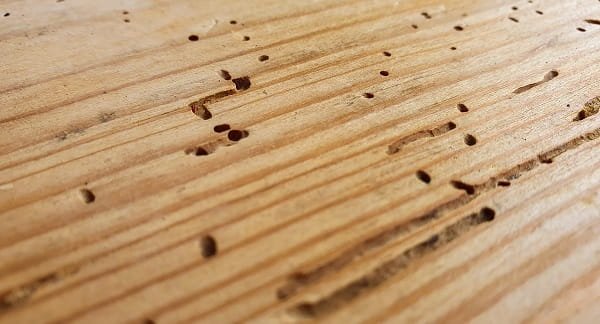
- Visible Damage: Mud tubes, tiny exit holes, bubbling paint, or crumbling wood when pressed.
- Musty Odor or Increased Moisture: Termites thrive in damp environments.
Inspect furniture regularly, especially during and after the rainy season.
Natural Methods to Eliminate Termites
1. Sunlight Exposure (Solar Treatment)
One of the simplest and most effective methods. Termites hate heat and UV rays.
- Move infested furniture outdoors on a hot, sunny day.
- Expose all sides to direct sunlight for 2–3 days (or longer for larger pieces).
- The heat kills termites and dries out the wood, making it less appealing.
This method is highly effective for movable items like chairs, tables, or smaller almirah sections. Combine with other treatments for better results.
2. Neem Oil Application
Neem oil is a powerhouse in Indian households. It disrupts termite feeding, growth, and reproduction.
- Dilute pure neem oil with water (ratio: 2 tablespoons per liter) or use ready-to-spray formulations.
- Spray generously on affected areas, into holes, and on furniture legs.
- Repeat every few days for 1–2 weeks. For deeper penetration, drill small holes and inject the oil.
Neem’s bitter compounds make treated wood unpalatable for surviving termites.
3. Orange Oil (D-Limonene)
Orange oil kills termites on contact by dissolving their exoskeleton.
- Dilute orange essential oil and spray or inject directly into infested wood using a syringe.
- Focus on entry points and galleries.
- Reapply multiple times daily for a few days.
It works faster than neem for active infestations.
4. Boric Acid (Borax) Solution
Though a refined mineral, boric acid is considered a natural, low-toxicity option widely used in homes.
- Mix 1–2 tablespoons of boric acid powder in warm water.
- Spray or brush onto wood surfaces and inject into holes.
- Alternatively, sprinkle powder in cracks and crevices.
Boric acid dehydrates termites and disrupts their nervous system. Keep it away from children and pets during application.
5. Vinegar and Lemon or Olive Oil Mix
- Mix equal parts white vinegar and water, or add lemon juice. Spray daily on surfaces.
- Alternatively, combine 4 parts olive oil with 1 part vinegar and apply with a cloth. This creates a barrier and repels termites.
6. Aloe Vera Gel
Apply fresh aloe vera gel thickly on wooden surfaces. As it dries, it forms a barrier termites cannot cross. Reapply as needed and wipe clean later.
7. Cardboard Traps
Wet cardboard attracts termites because they love cellulose. Place damp cardboard near infested furniture, let them gather, then remove and destroy the cardboard (burn or discard far away). Repeat to reduce the colony.
8. Salt Water Injection
For small infestations, dissolve salt in warm water and carefully inject into holes. Salt dehydrates termites but use sparingly as it may affect wood over time.
Step-by-Step Process for Treatment
- Isolate and inspect the affected furniture.
- Vacuum or brush away visible frass and debris.
- Apply your chosen natural treatment thoroughly.
- Expose to sunlight where possible.
- Monitor for 1–2 weeks and repeat applications.
- Clean and polish the furniture once activity stops.
Prevention Strategies for Long-Term Protection
- Maintain Dry Conditions: Use dehumidifiers during monsoons and ensure good ventilation.
- Elevate Furniture: Use stands or rubber pads to keep legs off damp floors.
- Regular Polishing: Apply wood polish or lacquer to seal surfaces.
- Natural Repellents: Place neem leaves, camphor, or clove oil sachets in wardrobes.
- Choose Resistant Woods: Opt for teak or treated sheesham for new purchases.
- Annual Inspections: Check hidden areas like backs of almirahs and under beds.
When to Call Professionals
Natural methods work best for early or localized infestations. If you see widespread damage, live termites in large numbers, or structural weakening, contact a professional pest control service. They can use targeted treatments that complement your natural efforts.
Safety and Precautions
- Work in well-ventilated areas.
- Wear gloves and masks during application.
- Keep children and pets away from treated surfaces until dry.
- Test remedies on a small, hidden area first to avoid discoloration.
Conclusion
Removing termites naturally from wooden furniture is achievable with patience and consistent effort. Methods like sunlight exposure, neem oil, orange oil, and boric acid offer safe, effective solutions that align with eco-friendly Indian living. By combining immediate treatment with strong prevention habits, you can protect your cherished furniture and maintain a healthy home environment. Early action saves money and preserves family heirlooms for generations. Start inspecting your wooden pieces today — your furniture will thank you with longer, termite-free life.
FAQ
Q1: How do I know if termites are active in my furniture?
Look for fresh frass piles, hollow sounds when tapping, or live termites. Mud tubes and shed wings are also clear indicators.
Q2: Is neem oil effective against termites?
Yes, neem oil is highly effective as it disrupts termite life cycles. Regular application yields good results for mild to moderate cases.
Q3: Can sunlight completely eliminate termites?
Sunlight is very effective for smaller furniture pieces, killing many termites through heat and UV exposure, but combine it with oils for deeper infestations.
Q4: Are natural methods safe for children and pets?
Most are safer than chemical pesticides, but keep boric acid and concentrated oils away from reach during and shortly after application.
Q5: How long does it take to get rid of termites naturally?
It may take 1–4 weeks of repeated treatments depending on infestation severity. Monitor closely and be consistent.
Q6: Can I prevent termites in new furniture?
Yes — polish regularly, keep areas dry, use neem-based repellents, and choose naturally resistant woods like teak.
Q7: What should I do if natural methods fail?
Consult a professional pest control expert immediately to prevent structural damage to your home.